Explore Our
Discover the latest insights and tips on physiotherapy, wellness, and health.
Discover the latest insights and tips on physiotherapy, wellness, and health.
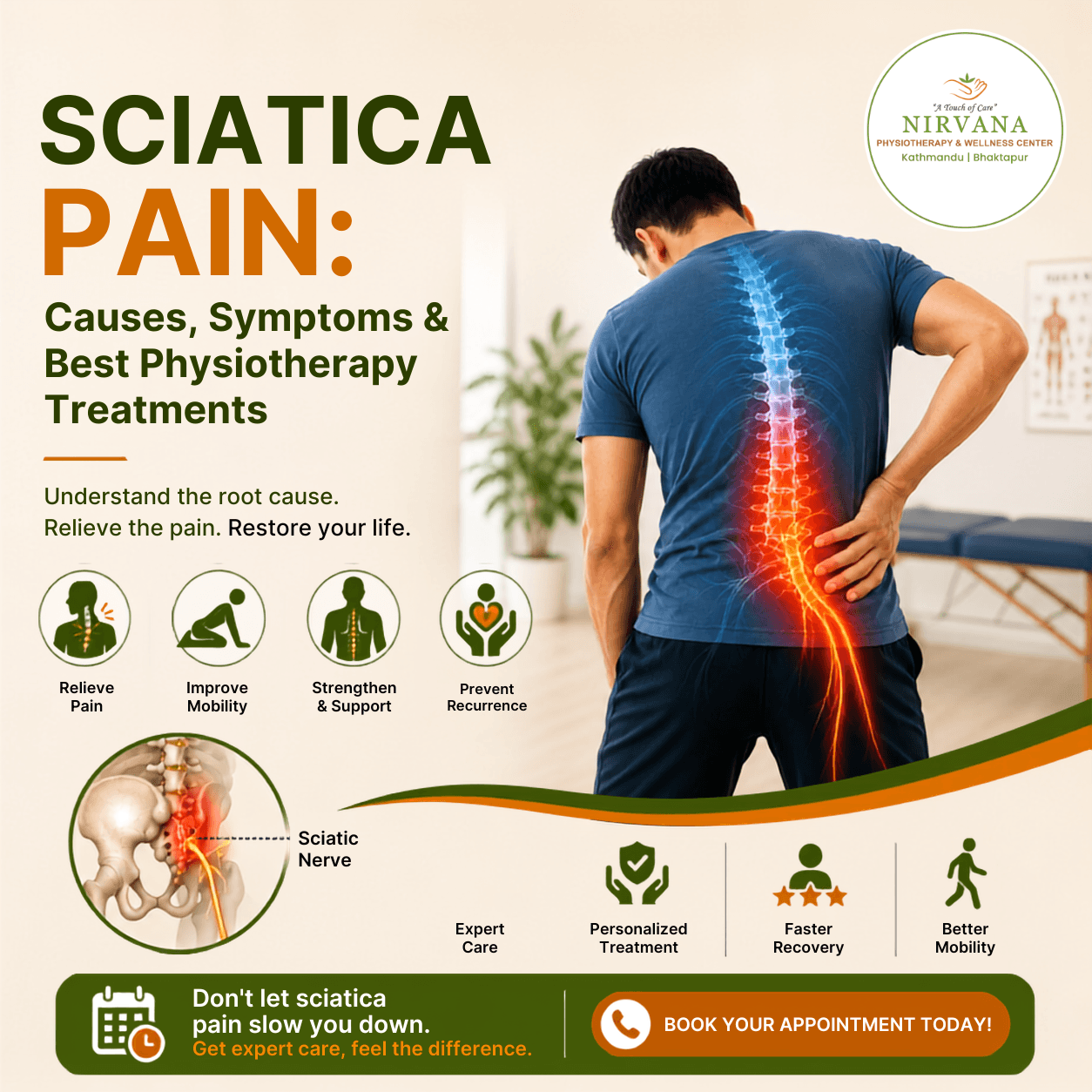
Lower back pain shooting down into your leg? That's probably sciatica. It's one of the most common causes of this kind of pain, and age doesn't really factor into who gets it. What's happening is the sciatic nerve, the longest one in your body, getting irritated or squeezed somewhere along its route. Sometimes it's just annoying. Other times it's sharp enough that sitting, walking, even standing still becomes a genuine problem.
People jump straight to surgery in their head. Usually not necessary, though. Most sciatica cases actually get better with conservative treatment, physiotherapy in particular, and catching it early makes a real difference: less pain, better mobility, fewer repeat episodes down the road.
Searching for sciatica pain treatment in Kathmandu? Understanding what's actually behind it is where recovery really starts.
Sciatica is pain travelling along the sciatic nerve's path. Starts low in the spine, runs through the hips and buttocks, and heads down each leg from there.
Different from regular back pain in one key way, it usually hits just one side of the body. Numbness, tingling, and muscle weakness often tag along too.
Several conditions can put pressure on the sciatic nerve and cause pain. The most common causes include:
The symptoms of sciatica can vary depending on the severity of the nerve compression. Common signs include:
If these symptoms persist for more than a few weeks, become more severe, or interfere with your daily activities, it's important to seek professional evaluation and treatment, as early intervention can lead to faster recovery.
Some habits and circumstances just make sciatica more likely.
Sitting all day, whether from a desk job or general lifestyle; carrying extra weight; heavy lifting; diabetes. Being out of shape generally. Pregnancy. Simply getting older too, that one's unavoidable but worth knowing about.
Physiotherapy goes after what's actually causing the problem. Not just dulling the pain and hoping it stays quiet.
Starts with a real assessment: posture, mobility, muscle strength, nerve function all of it gets checked to find where things are actually going wrong. From there, hands-on manual therapy and soft tissue work ease nerve irritation and muscle tension. Targeted stretches loosen up the lower back, hips, and hamstrings, taking pressure off the nerve itself.
Core-focused strengthening work stabilises the spine so the pain has less reason to return. Posture correction fixes how you sit, stand, and lift, cutting daily strain on your lower back. Dry needling releases tight muscles and trigger points feeding into the pain. And when it's clinically right for the situation, chiropractic adjustments can improve joint mobility and ease nerve compression too.
A few habits at home genuinely add to whatever treatment you're getting.
Don't sit for hours without breaking it up. Take short walks regularly throughout the day. Sleep with real spinal support underneath you. Keep doing whatever stretches you've been given, consistently. Watch your posture. Lift carefully; technique actually matters more than most people assume. And stay active generally; resting completely can sometimes make things worse instead of better.
Check with a healthcare professional before jumping into any new exercise routine, especially with something like this going on.
Worth booking an appointment if pain's stuck around past a week. If it's travelling below the knee. If numbness or weakness shows up. If walking's genuinely hard now. If it's messing with work or sleep. Or if it just keeps coming back no matter what.
Catching it early usually means quicker recovery, and it lowers the odds of this turning chronic.
At Nirvana Physiotherapy & Wellness Center, NPWC for short, treatment plans get built around you specifically, personalised, evidence-based, for anyone dealing with sciatica or lower back pain.
That covers full physiotherapy assessments, manual therapy, exercise rehab, dry needling, chiropractic care, postural correction, ergonomic advice, and recovery programs shaped around your actual situation, not a generic template.
The point isn't just killing the pain. It's getting you back to your normal life, moving with confidence again, not just feeling okay for a day or two.
Sciatica can make everyday life a challenge, but effective treatment is available. Getting physiotherapy started early can relieve pain, restore mobility, and help prevent long-term complications, often without surgery or long-term medication.
If you're dealing with persistent lower back pain, numbness, or pain that radiates down your leg, don't ignore the symptoms. Early assessment and a personalized physiotherapy plan can help you recover safely and regain your quality of life.
At Nirvana Physiotherapy & Wellness Centre (NPWC), our experienced physiotherapists provide evidence-based treatment tailored to your condition. Whether your sciatica is caused by a herniated disc, poor posture, prolonged sitting, or muscle tightness, we're here to help you move comfortably again.
Book your consultation today and let our experts create a personalized recovery plan designed to reduce pain, restore mobility, and prevent future flare-ups.
Many cases of sciatica improve significantly with physiotherapy by reducing nerve compression, improving mobility, and strengthening supporting muscles.
Recovery depends on the cause and severity. Mild cases may improve within a few weeks, while chronic conditions may require a longer rehabilitation program.
Gentle walking is often beneficial, but excessive walking during severe pain may worsen symptoms. A physiotherapist can recommend the appropriate activity level.
Most people with sciatica recover without surgery. Conservative treatment, including physiotherapy, is effective for many cases.
Yes. Without correcting posture, muscle weakness, or movement habits, symptoms may recur. Rehabilitation focuses on preventing future episodes.
Written by
Nirvana Physiotherapy and Wellness Center
Nirvana Physiotherapy and Wellness Center
Continue Reading
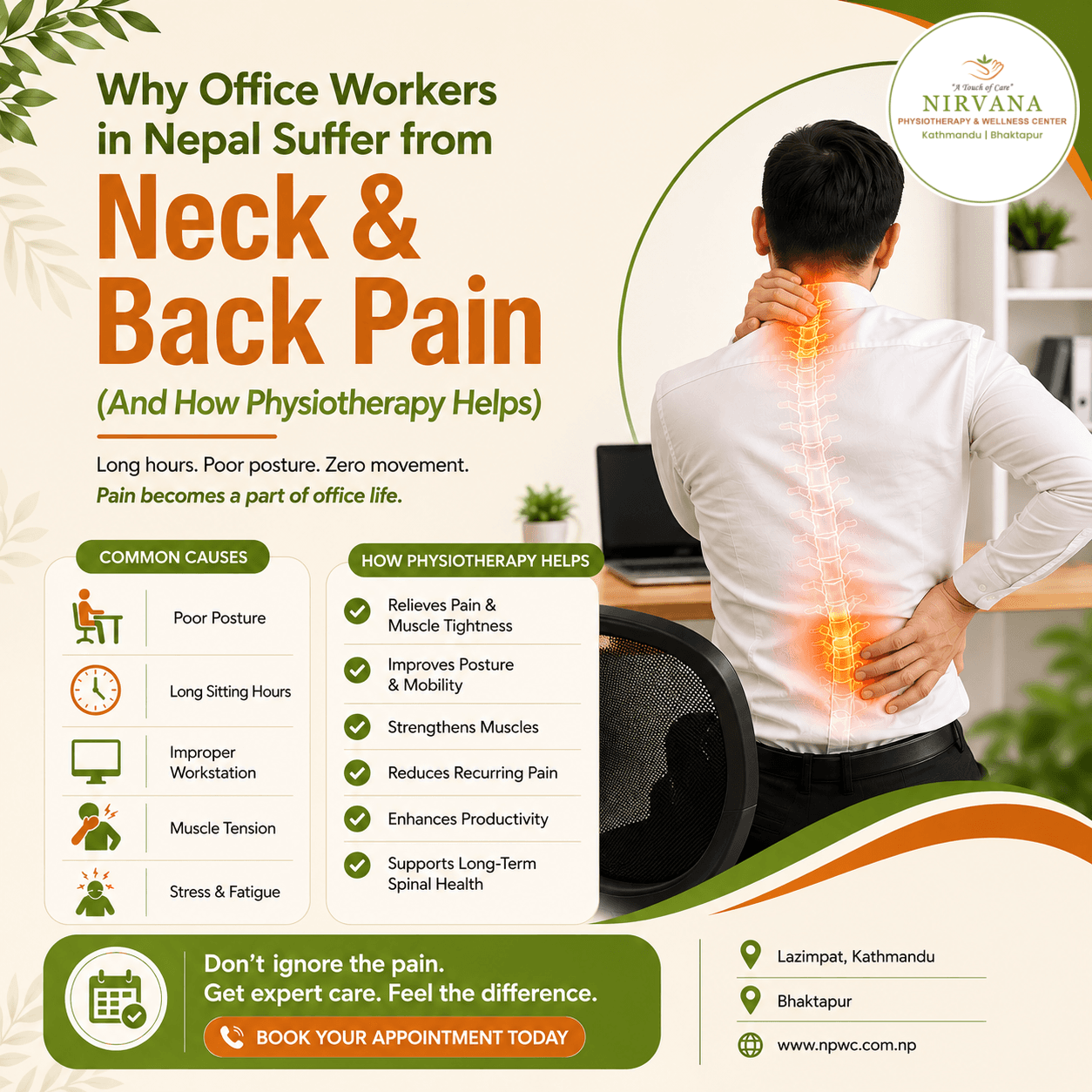
Most people reach for a painkiller. Maybe book a massage when it gets bad enough. Both help, for a while. Neither actually fixes what's wrong. Physiotherapy works differently; it tracks down what's actually causing the pain and helps the body fix it properly instead of just quieting it down for a few hours.
Read article
Chiropractic care is generally built around spinal adjustments using targeted, hands-on manipulation to improve joint mobility and relieve pressure on nerves. It tends to work fastest for acute spinal issues like a locked joint or sudden lower back stiffness. Physiotherapy takes a broader approach. It combines manual therapy with exercise, movement re-education, and rehabilitation to address not just the pain, but why it keeps coming back. It's usually the better fit for long-term recovery, post-injury rehab, and conditions that go beyond the spine.
Read article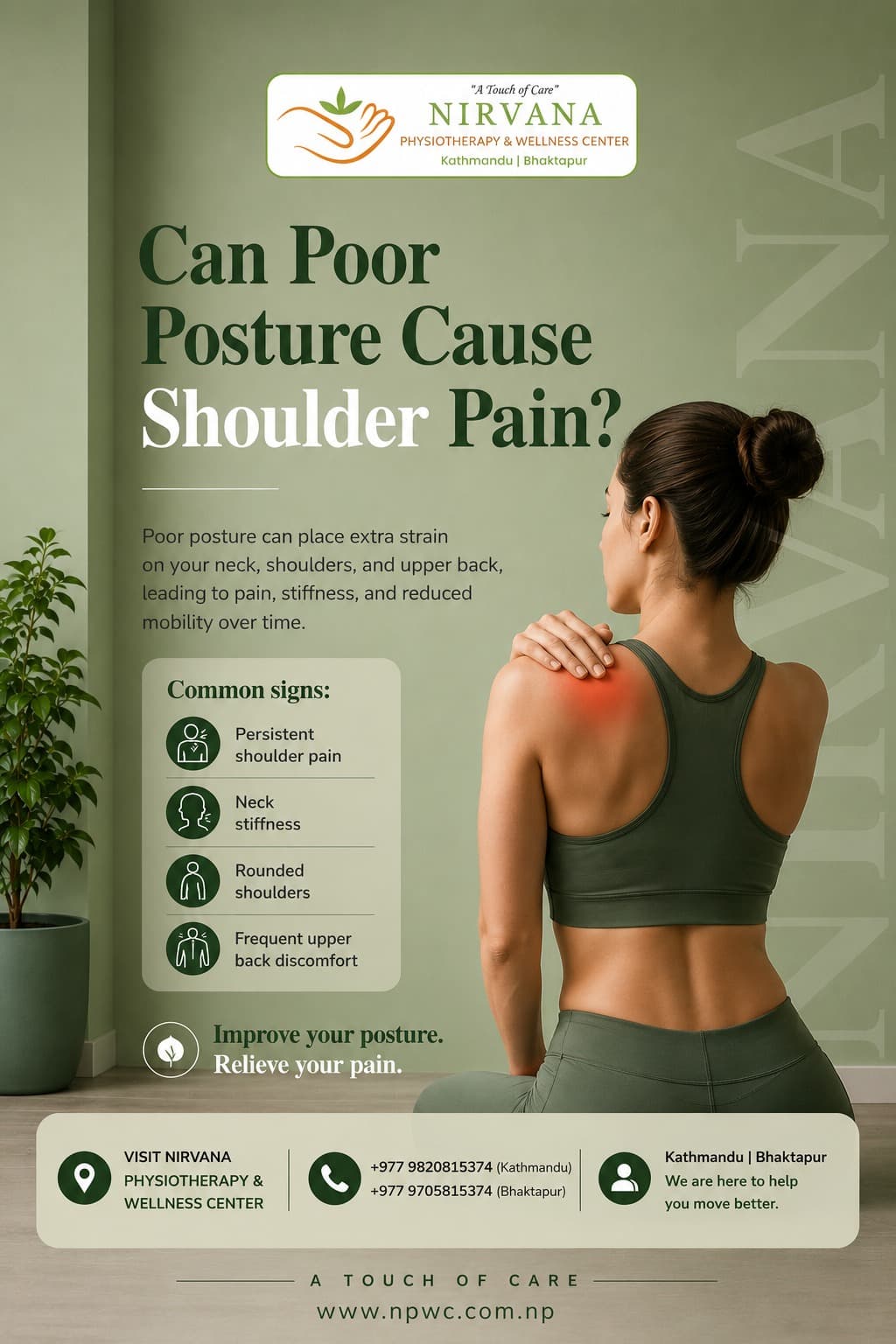
Shoulder pain is one of the most common musculoskeletal problems affecting people of all ages. Whether you spend long hours at a desk, frequently use your smartphone, drive for extended periods, or work from home, your daily posture can have a significant impact on your shoulder health. The short answer is yes, poor posture can cause shoulder pain. In many cases, it is one of the leading causes of chronic shoulder discomfort, stiffness, and reduced mobility.
Read article