Explore Our
Discover the latest insights and tips on physiotherapy, wellness, and health.
Discover the latest insights and tips on physiotherapy, wellness, and health.
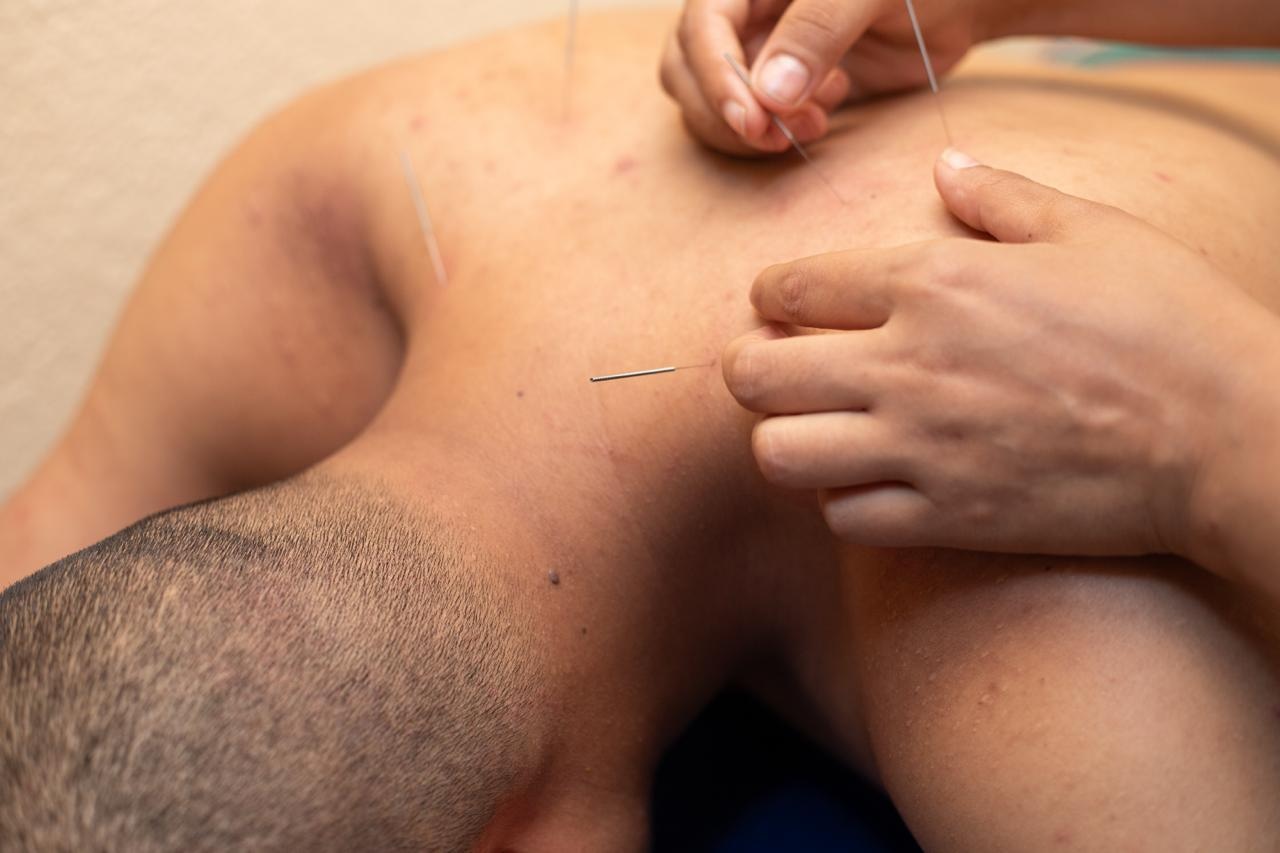
When you’re stressed and anxious, that’s a sign that your hormones are out of balance. Acupuncture is an amazing natural option for reducing stress and anxiety. Like exercise, it affects your NPWC. Emotions, hormones, and neurotransmitters.
During the process, trained practitioners insert tiny needles into specific parts of the body to stimulate nerves. Acupuncture regulates hormones through the bloodstream and neurotransmitters through the nervous system.
In addition to its most common use, treating pain and soreness, this natural medicine has been used for thousands of years to treat everything from digestive issues to improving mental health. Today, we’ll show you how acupuncture is used to help with not only pain but also stress and anxiety.
Acupuncture is an ahistorical recovery practice that entails inserting ultra-thin, sterile needles into unique points of the body. These points lie along meridians, which can be power pathways that have an impact on physical and emotional health.
By stimulating those points, acupuncture helps regulate hormones and relieve stress naturally. This therapy works at several levels, affecting the nervous system, hormones, and neurotransmitters, which is an effective tool for relief from emotional well-being and overall stress.
Acupuncture is a natural and effective way to manage stress; it is not just a mental state; it affects hormones, neurotransmitters, and physical tension throughout the body. Acupuncture addresses these regions concurrently, providing average relaxation and well-being.
Chronic stress increases cortisol levels, leaving you anxious and fatigued. Acupuncture allows the modification of cortisol and different hormones, developing a calmer and more balanced state.
Stress activates your body's response, preserving your heart, changing excessive muscle tissues, and mind restless. Acupuncture stimulates the parasympathetic ferful system, acupuncture stimulates the parasympathetic “ ferful system, additionally called the relaxation and digest” mode. This helps your body gradually slow down, relax, and recover naturally.
Stress frequently manifests physically as complications, migraines, aching,, or stiff shoulders. Acupuncture improves blood movement, reduces infection, and relaxes worrying muscles, providing relief from these stress-related symptoms.
Acupuncture encourages the release of endorphins, natural painkillers, and serotonin, a mood regulator, helping fight anxiety, mild depression, and emotional fatigue. Many people report feeling uplifted and calm after a session.
Stress often disrupts sleep patterns, leaving you tired and irritable. Acupuncture helps regulate hormones like melatonin, reduces tension, and improves overall relaxation, which can lead to deeper, more restorative sleep.
The truth is, almost everyone who experiences stress or anxiety can benefit from acupuncture. Since stress affects people differently, acupuncture can be tailored to meet each individual’s needs. Let’s look at some groups of people who may find this therapy especially useful:
Burnout has grown to bebecomencreasi in terms of people who constantly push themselves without enough relaxation. It leaves you feeling emotionally tired, unmotivated, and physically exhausted. Acupuncture may be a vital part of recovery by restoring power, regulating emotions, and assisting he body in returning to a state of stability. Chronic Pain Sufferers.
Pain conditions like back pain, arthritis, or migraines can worsen under stress. Acupuncture addresses both pain and stress at the same time, making it ideal for people with these conditions.
Acupuncture has been proven to guide emotional fitness by way of regulating mind chemistry and calming the frightened gadget. For the ones struggling with tension or moderate depression, it could be a complementary remedy along with counseling or lifestyle changes.
Every acupuncture practitioner has unique methods and styles, so it’s nearly impossible to know exactly what to expect from an acupuncture session without further inquiry.
Furthermore, no two patients are alike; everyone who seeks out an acupuncture treatment has an individual set of ailments and reasons for doing so.
However, there are some constants that you can expect during any acupuncture session.
Here’s a brief assessment of the main advantages of acupuncture for stress control:
By addressing both the physical and emotional aspects of stress, acupuncture offers a holistic solution that targets the root causes, not just the symptoms.
Chronic strain can take a toll on your thoughts and body, but acupuncture offers a natural, effective way to restore stability.
From regulating hormones and calming the nervous system to easing physical anxiety and enhancing emotional well-being, the benefits of acupuncture are significant stress is affecting your daily life, consider scheduling a session with a certified acupuncture practitioner.
Combine this therapy with self-care practices, mindfulness, and healthy lifestyle habits to experience long-lasting stress relief.
Most people feel minimal or no pain. A slight tingling or warmth may occur at the insertion points, but it is generally very tolerable.
Frequency varies depending on individual needs. Some humans benefit from weekly periods, even as others may additionally see development with biweekly or monthly remedies.
Acupuncture is a complementary therapy, not a replacement for prescribed medication. It works best alongside lifestyle adjustments, counseling, and traditional treatments.
Many people feel relaxed immediately after a session. Long-term stress reduction may require multiple sessions depending on the severity of stress and lifestyle factors.
Side consequences are commonly moderate and temporary, inclusive of moderate bruising, pain, or fatigue. Serious complications are rare when performed by a trained professional.
Acupuncture is typically safe for most human beings, including adults and older adults. Pregnant women or people with bleeding issues must consult a licensed practitioner before starting the remedy.
Written by
Nirvana Physiotherapy and Wellness Center
Nirvana Physiotherapy and Wellness Center
Continue Reading
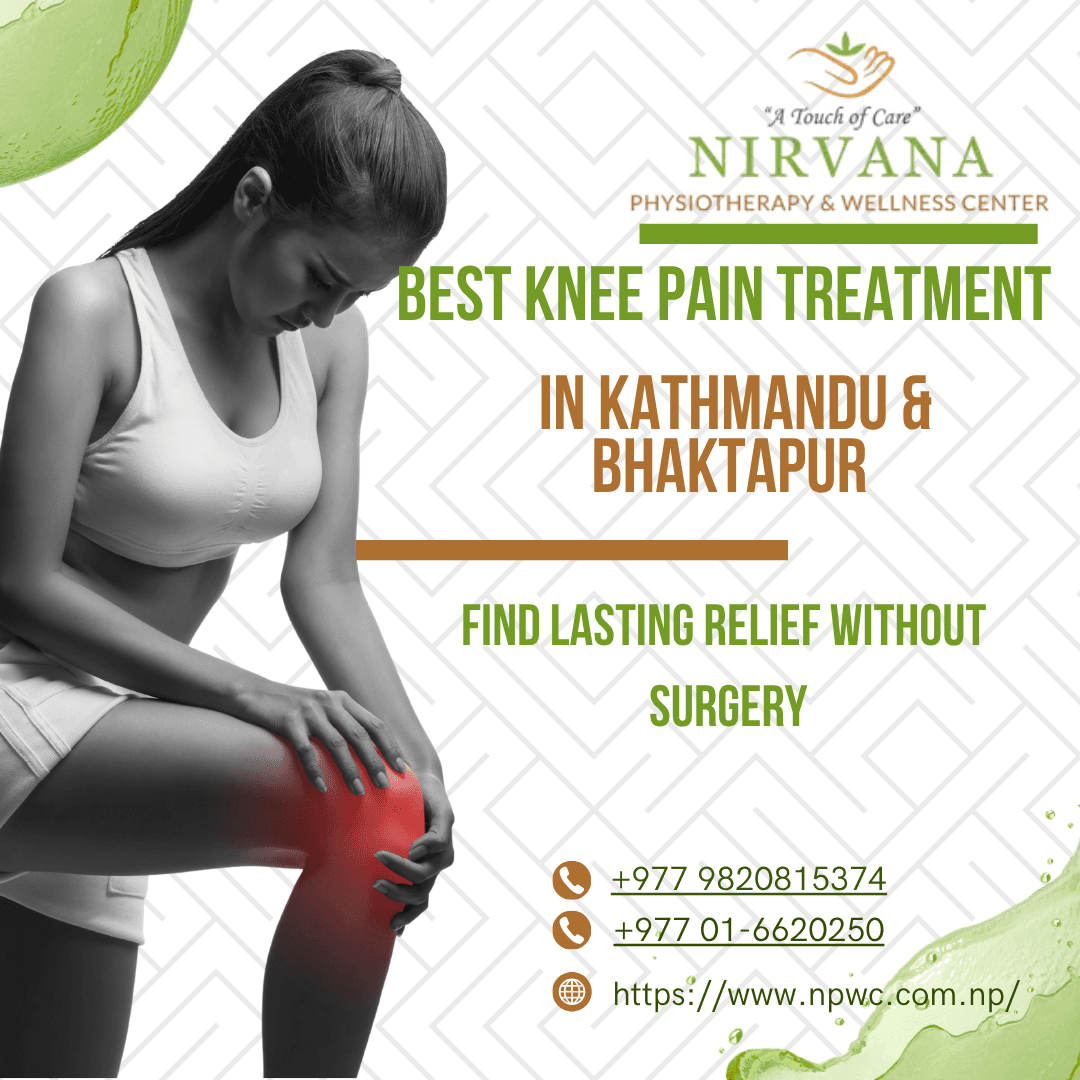
Knee pain is one of the most common musculoskeletal problems affecting people of all ages. Whether you're a working professional spending long hours at a desk, an athlete recovering from a sports injury, or an older adult experiencing age-related joint discomfort, knee pain can significantly impact your daily life.
Read article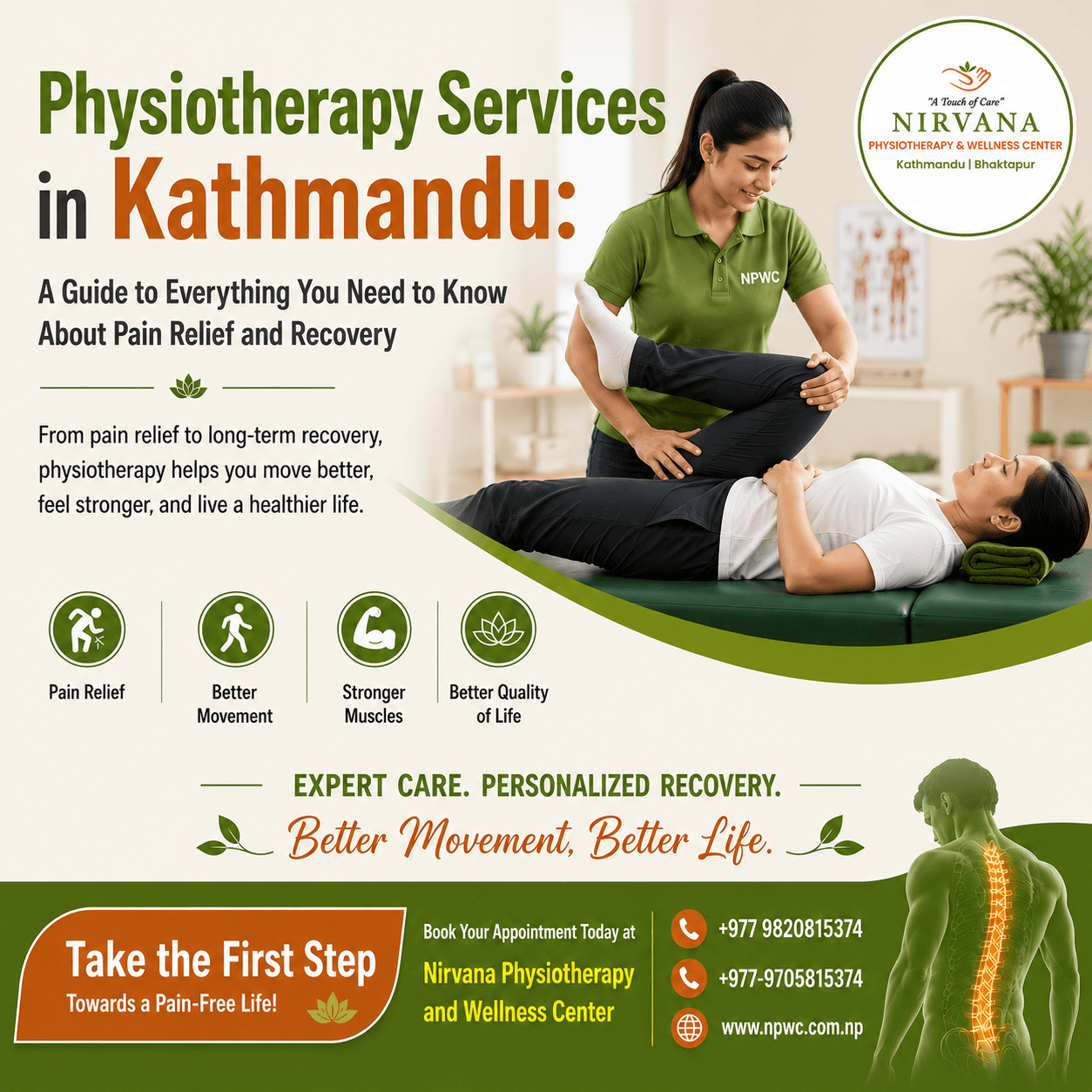
Life with pain is tiresome. It may be a backache due to working too late, a sport-related injury, joint stiffness, or frequent muscle pain, but the pain gradually affects your quality of life. Most of the individuals postpone therapy until they are sure that it will clear on its own, whereas others use drugs as a temporary measure.
Read article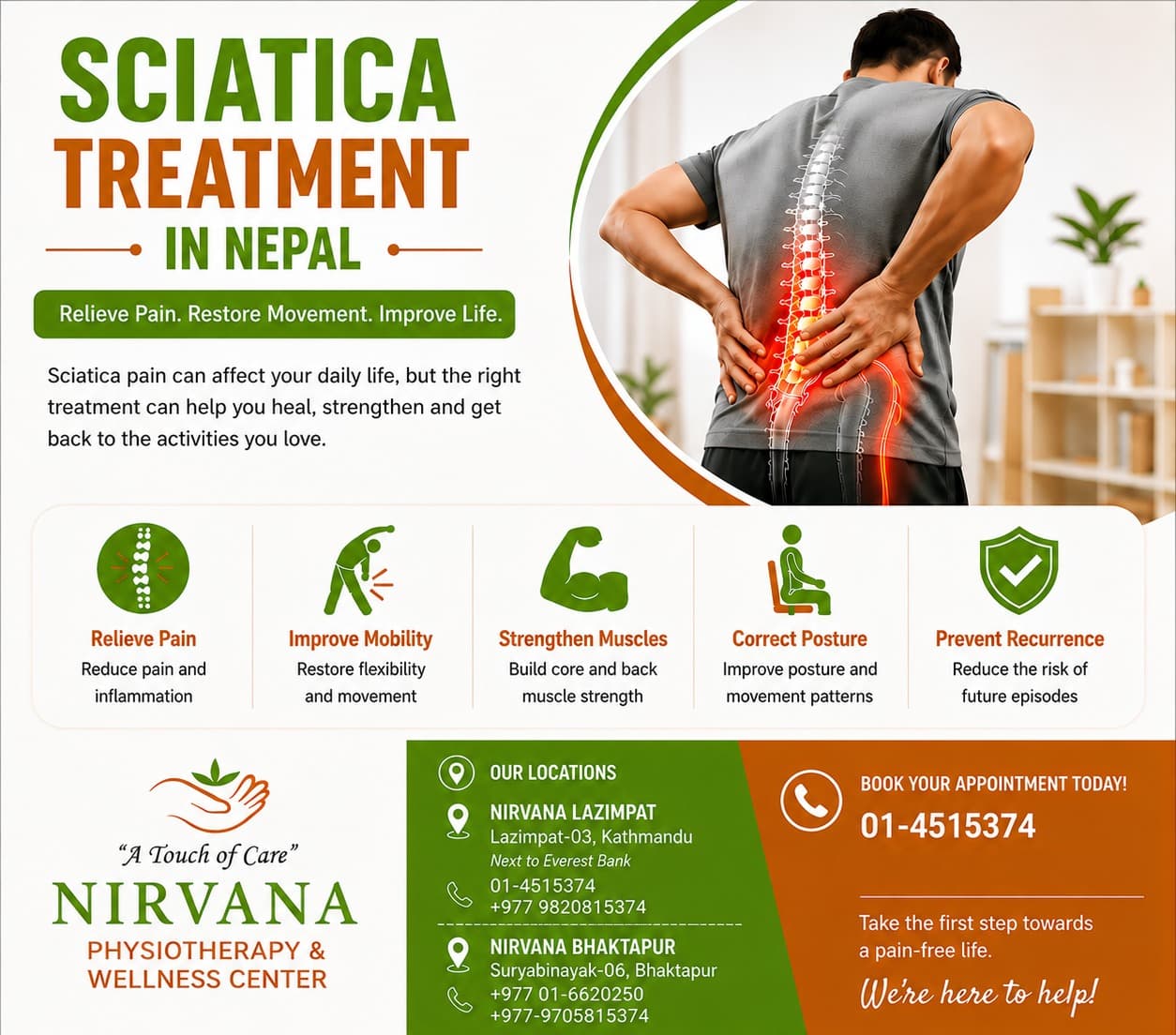
The symptoms of Sciatica can make sitting, walking, working or sleeping comfortably difficult and can severely interfere with your activities of daily living. Fortunately, the majority of people can recover without surgery, with proper diagnosis and treatment.
Read article