
Explore Our
Discover the latest insights and tips on physiotherapy, wellness, and health.
Discover the latest insights and tips on physiotherapy, wellness, and health.
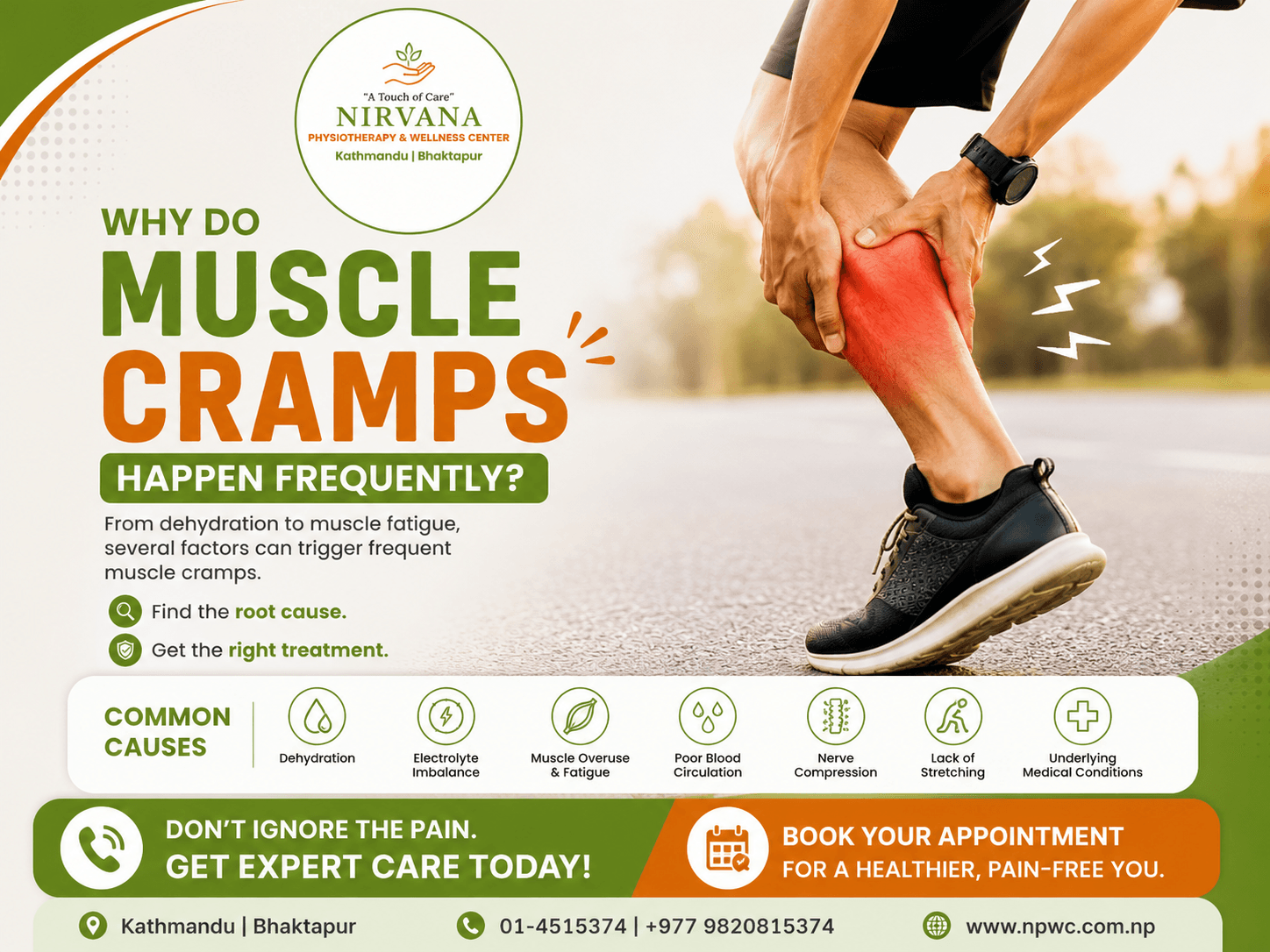
A muscle cramp is when a muscle suddenly and involuntarily tightens, often causing intense pain and stiffness. Although cramps are common, frequent muscle cramps may indicate an underlying issue that should not be ignored. They can affect sleep, physical activity, work productivity, and overall quality of life.
Understanding the causes of recurring muscle cramps is the first step toward proper treatment and prevention.
A muscle cramp is a sudden muscle contraction that cannot relax properly. These cramps commonly occur in the legs, calves, feet, thighs, and sometimes in the hands or back. They may last for a few seconds or several minutes.
Muscle cramps can happen during exercise, while sleeping, or during normal daily activities.
One of the most common causes of muscle cramps is dehydration. Excessive fluid loss through sweating, exercise, or inadequate water intake can increase the risk of cramps.
People living in hot weather conditions or those who exercise regularly are especially at risk.
Muscles need minerals like potassium, magnesium, calcium, and sodium to function properly. A deficiency in these electrolytes may trigger frequent cramps.
Common causes include:
Overworked muscles without proper rest can become fatigued, leading to recurring cramps. Athletes, gym-goers, and people with physically demanding jobs commonly experience this issue.
Sudden intense exercise may also trigger cramps.
Reduced blood flow to the muscles can cause cramping, especially in the legs. Sitting for long periods, poor posture, or vascular conditions may contribute to poor circulation.
Problems related to the spine or nerves may cause recurring muscle cramps. Nerve compression in the lower back can lead to leg cramps along with numbness or tingling sensations.
Tight muscles are more likely to cramp frequently. Not stretching before and after exercise may increase muscle tension and reduce flexibility.
Regular stretching helps improve muscle mobility and lowers the risk of cramps.
Frequent muscle cramps may sometimes be linked to underlying medical conditions such as:
If cramps occur regularly without a clear reason, medical evaluation is recommended.
Occasional cramps are usually harmless, but professional help is recommended if you experience:
Early assessment can help identify the root cause and prevent complications.
Physiotherapy is one of the most effective non-surgical treatments for recurring muscle cramps. Physiotherapists at Nirvana Physiotherapy And Wellness Center focuses on treating the root cause rather than only the symptoms.
Treatment may include:
Physiotherapy also improves blood circulation, muscle flexibility, and overall muscle function, helping reduce future cramps.
Here are some simple ways to reduce the risk of recurring cramps:
Small lifestyle changes can significantly help prevent muscle cramps.
If muscle cramps continue even after hydration and stretching, it may be time to consult a physiotherapist. Persistent cramps may indicate muscular imbalances, movement issues, or nerve-related problems that require professional treatment.
Early physiotherapy intervention can help improve mobility and reduce long-term discomfort.
Frequent muscle cramps can occur due to dehydration, muscle fatigue, poor circulation, electrolyte imbalance, or underlying medical conditions. While occasional cramps are normal, recurring cramps should not be ignored.
Identifying the root cause and receiving proper treatment can help manage symptoms effectively. Physiotherapy offers a safe and long-term solution by improving muscle health, flexibility, and movement patterns.
If muscle cramps are affecting your daily life, the experienced team at Nirvana Physiotherapy and Wellness Center can help you recover comfortably with personalized physiotherapy treatment and preventive care plans tailored to your needs.
Frequent muscle cramps can occur due to dehydration, muscle fatigue, poor circulation, electrolyte imbalance, or underlying health conditions.
Low levels of magnesium, potassium, calcium, or sodium can increase the risk of muscle cramps.
Yes. Lack of proper hydration can affect muscle function and lead to recurring cramps.
Night cramps are often linked to muscle fatigue, dehydration, poor circulation, or prolonged sitting.
Yes. Physiotherapy helps reduce cramps through stretching, strengthening, posture correction, and mobility exercises.
Written by
Nirvana Physiotherapy and Wellness Center
Nirvana Physiotherapy and Wellness Center
Continue Reading
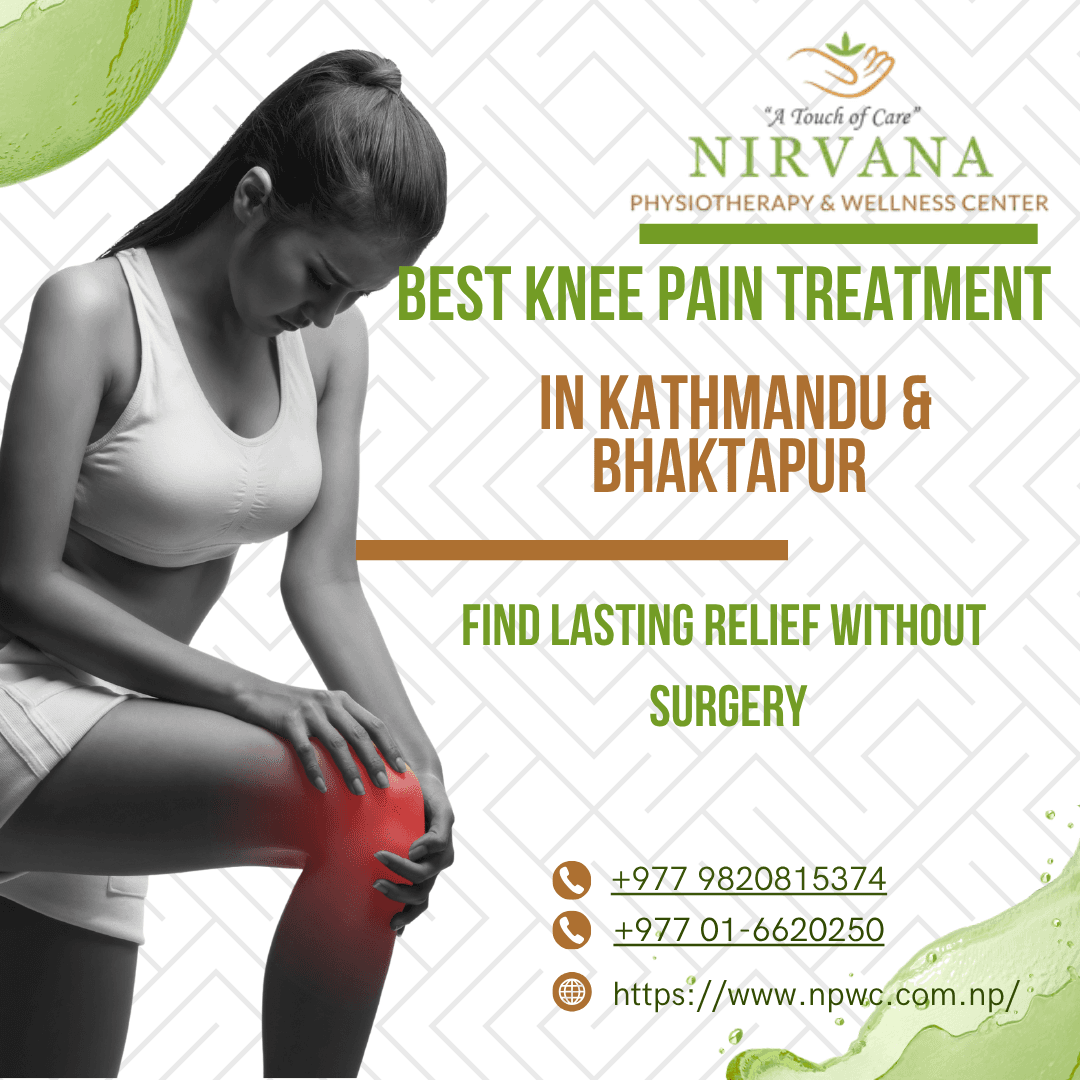
Knee pain is one of the most common musculoskeletal problems affecting people of all ages. Whether you're a working professional spending long hours at a desk, an athlete recovering from a sports injury, or an older adult experiencing age-related joint discomfort, knee pain can significantly impact your daily life.
Read article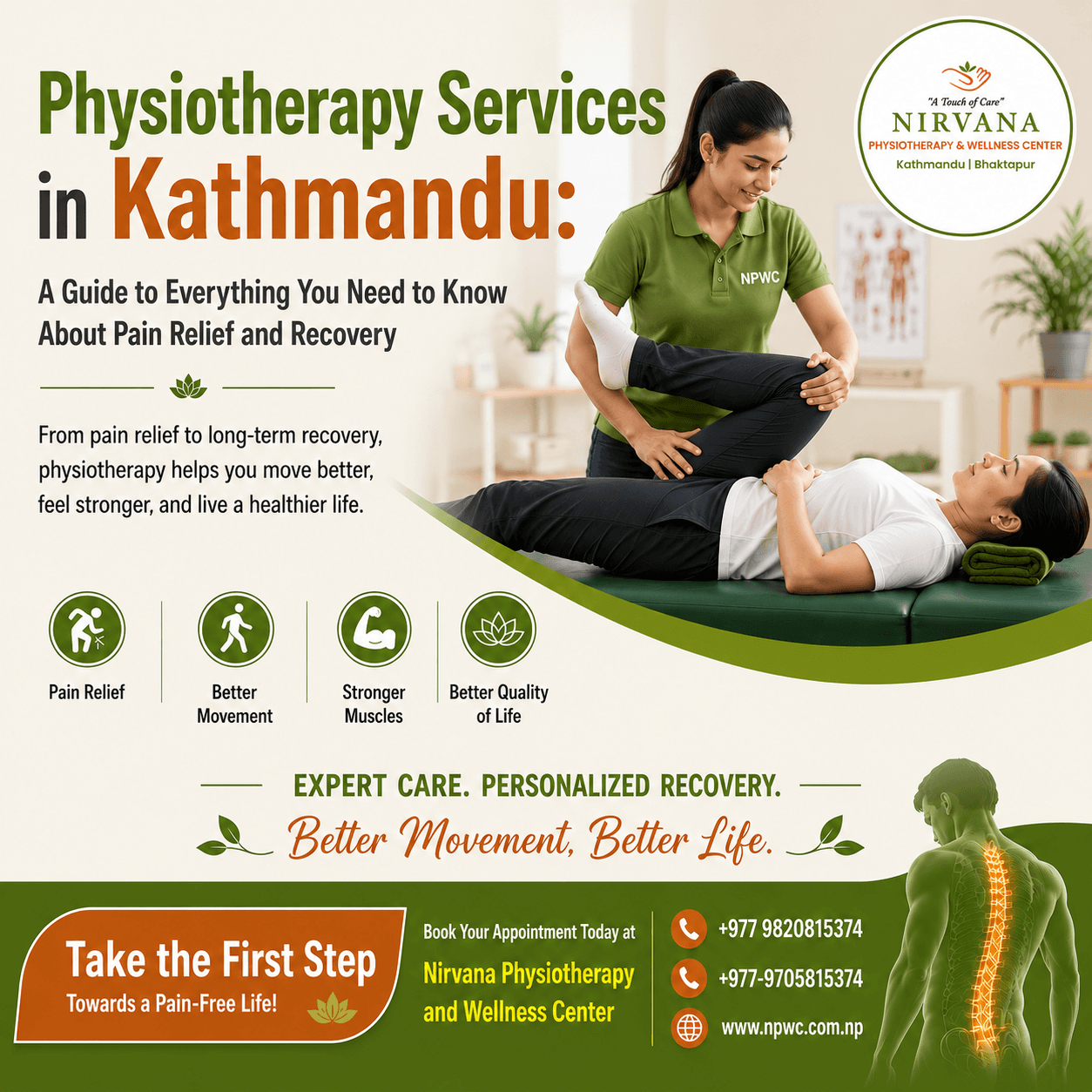
Life with pain is tiresome. It may be a backache due to working too late, a sport-related injury, joint stiffness, or frequent muscle pain, but the pain gradually affects your quality of life. Most of the individuals postpone therapy until they are sure that it will clear on its own, whereas others use drugs as a temporary measure.
Read article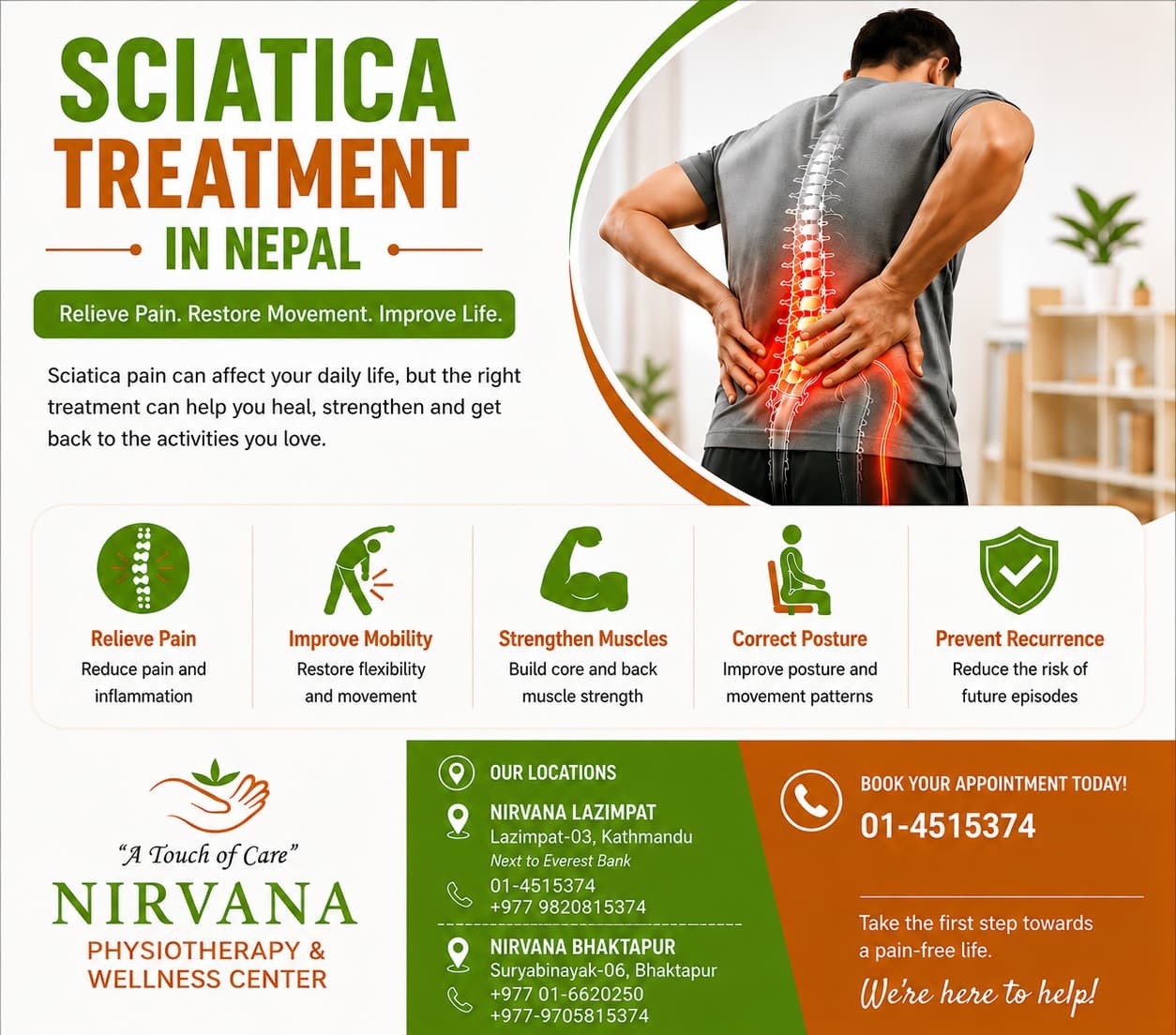
The symptoms of Sciatica can make sitting, walking, working or sleeping comfortably difficult and can severely interfere with your activities of daily living. Fortunately, the majority of people can recover without surgery, with proper diagnosis and treatment.
Read article