
Explore Our
Discover the latest insights and tips on physiotherapy, wellness, and health.
Discover the latest insights and tips on physiotherapy, wellness, and health.
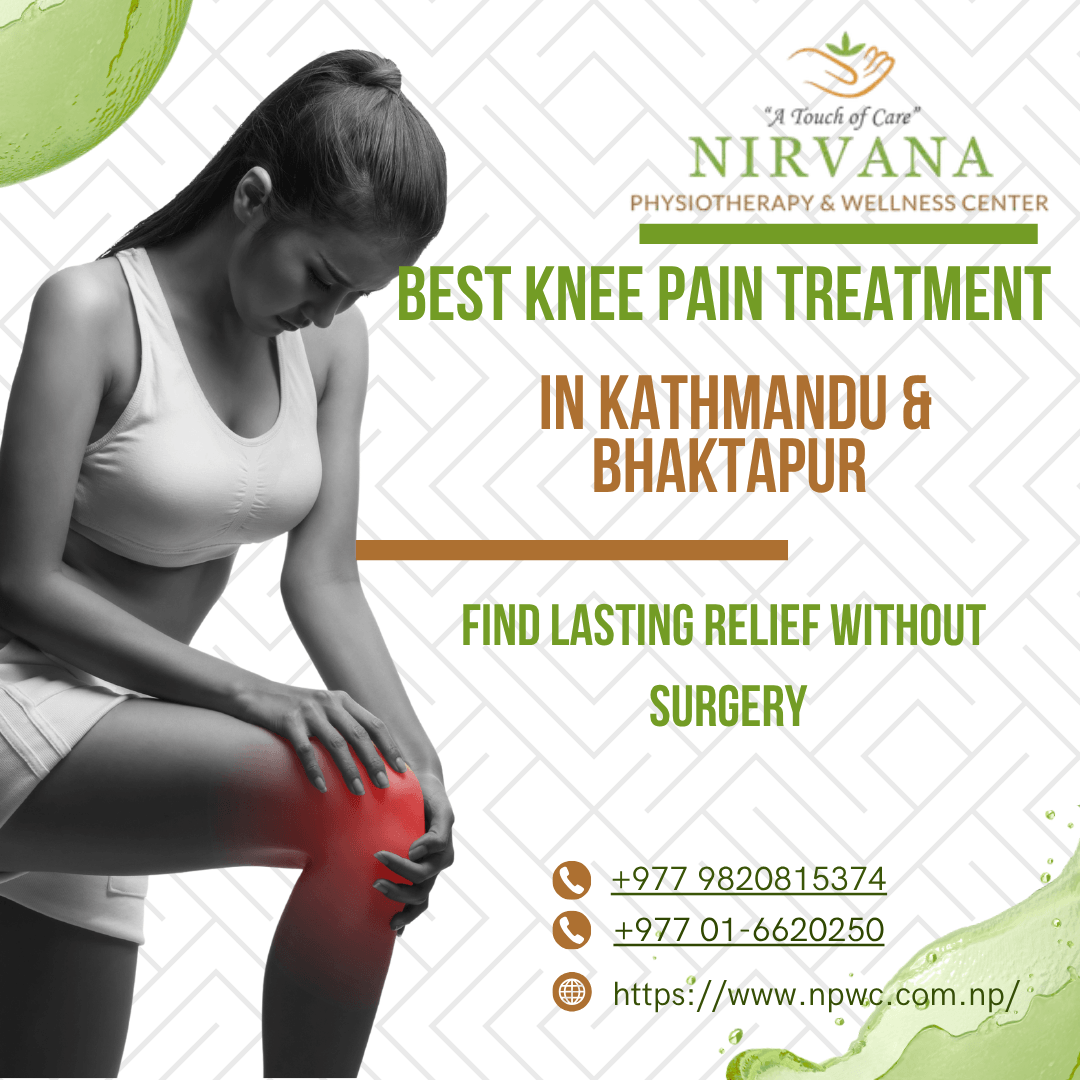
Knee pain is one of the most common musculoskeletal problems affecting people of all ages. Whether you're a working professional spending long hours at a desk, an athlete recovering from a sports injury, or an older adult experiencing age-related joint discomfort, knee pain can significantly impact your daily life.
Many people in Kathmandu and Bhaktapur live with knee pain for months or even years, relying on painkillers, knee braces, or temporary remedies. While these solutions may provide short-term relief, they often fail to address the root cause of the problem.
At NPWC Physiotherapy Center, we believe that successful treatment begins with understanding why the pain is occurring in the first place. Through personalized assessment and evidence-based treatment approaches, our team helps patients regain mobility, reduce pain, and return to their daily activities with confidence.
In recent years, knee pain has become increasingly common among people living in urban areas such as Kathmandu and Bhaktapur. Several lifestyle factors contribute to this growing problem.
Long working hours, reduced physical activity, obesity, poor posture, and repetitive strain on the joints can gradually lead to knee discomfort. Additionally, many people commute long distances daily, spend extended periods sitting, or engage in physical activities without proper conditioning.
Sports injuries are another major cause of knee pain, especially among young adults who play football, cricket, or basketball, run, or work out at the gym. Without proper rehabilitation, minor injuries can develop into chronic conditions that affect mobility and performance.
The good news is that most knee problems can be effectively managed through early diagnosis and appropriate treatment.
Many people assume that knee pain will eventually go away on its own. However, ignoring symptoms can often make the condition worse.
You should consider seeking professional evaluation if you experience:
Early intervention can prevent minor problems from becoming long-term conditions.
Knee pain can develop from a variety of underlying conditions. Understanding the cause is essential for selecting the most effective treatment.
Osteoarthritis is one of the leading causes of knee pain, particularly among older adults. It occurs when the protective cartilage within the joint gradually wears down, resulting in pain, stiffness, and reduced mobility.
Ligaments provide stability to the knee joint. Injuries such as ACL, MCL, or PCL tears often occur during sports activities, sudden twisting movements, or accidents.
The meniscus acts as a cushion between the thigh bone and shin bone. A tear can occur due to sudden movements, heavy lifting, or age-related degeneration.
Commonly known as runner's knee, this condition causes pain around the front of the knee and is frequently seen in athletes and physically active individuals.
Inflammation of the tendons surrounding the knee can result from repetitive stress, overuse, or improper exercise techniques.
Weakness in the hips, thighs, or surrounding muscles can place excessive stress on the knee joint, leading to chronic pain and discomfort.
Many people rely on pain medication whenever knee pain becomes severe. While medication may temporarily reduce discomfort, it rarely addresses the underlying cause.
Pain is often a symptom of a deeper issue such as muscle weakness, joint dysfunction, poor movement patterns, ligament injury, or biomechanical imbalance.
Without correcting these factors, the pain often returns once the effects of the medication wear off.
This is why a comprehensive treatment approach is essential for long-term recovery. Or you can read this blog for the effects of painkillers and physiotherapy Physiotherapy Vs PainKillers
At NPWC Physiotherapy Center, we focus on identifying and treating the root cause of knee pain rather than simply masking symptoms.
Every patient undergoes a detailed evaluation that includes:
This helps our team develop a personalized treatment plan tailored to the individual's specific condition.
Physiotherapy plays a crucial role in reducing pain, restoring mobility, and improving strength.
Treatment may include:
These techniques help improve knee function while reducing stress on the affected joint.
Osteopathic techniques focus on improving overall body mechanics and addressing restrictions that may contribute to knee pain.
By restoring balance within the musculoskeletal system, osteopathy can help improve movement efficiency and reduce unnecessary strain on the knee.
No two patients experience knee pain in the same way.
Whether the goal is returning to sports, improving daily mobility, or avoiding surgery, Physiotherapists develops customised rehabilitation plans designed to meet each patient's individual needs.
One of the most common questions patients ask is whether surgery is necessary.
The answer depends on the severity and nature of the condition. However, many knee problems can be effectively managed through conservative treatment approaches.
Conditions such as:
often respond well to physiotherapy and rehabilitation.
In many cases, appropriate treatment can help delay or even eliminate the need for surgical intervention.
While professional treatment is important, maintaining healthy daily habits can significantly reduce the risk of knee problems.
Consider the following tips:
These habits help reduce stress on the knee joint and support long-term joint health.
You should seek professional care if:
Early assessment often leads to faster recovery and better long-term outcomes.
Choosing the right physiotherapy center can make a significant difference in your recovery journey.
Patients choose NPWC because of our:
Our goal is not simply to reduce pain but to help individuals regain confidence, mobility, and quality of life.
Living with knee pain can affect every aspect of your life, from walking and exercising to working and spending time with family.
The sooner the underlying cause is identified, the sooner effective treatment can begin.
If you are looking for professional knee pain treatment in Kathmandu or Bhaktapur, the team at NPWC Physiotherapy Center is here to help. Through comprehensive assessment, personalized rehabilitation, and evidence-based care, we help patients move better, feel stronger, and enjoy a more active life.
Don't let knee pain control your daily routine. Take the first step toward recovery and lasting relief today.
Physiotherapy can provide long-term relief from knee pain by addressing the root cause of the problem rather than simply managing symptoms. Conditions caused by muscle weakness, poor movement patterns, joint stiffness, or minor injuries often respond very well to physiotherapy. However, the outcome depends on the underlying condition, severity, and the patient's commitment to the prescribed rehabilitation program.
The number of physiotherapy sessions varies depending on the cause and severity of the condition. Mild knee pain may improve within 4 to 6 sessions, while chronic conditions, sports injuries, or post-surgical rehabilitation may require several weeks of treatment. A physiotherapist will create a personalized treatment plan after a thorough assessment.
The best treatment depends on the cause of your knee pain. For many people, a combination of physiotherapy, manual therapy, strengthening exercises, and rehabilitation provides effective long-term results. At NPWC Physiotherapy Center in Kathmandu and Bhaktapur, treatment plans are tailored to each patient's condition and recovery goals.
Not always. Many knee conditions, including mild ligament injuries, tendon problems, muscle imbalances, and early-stage osteoarthritis, can often be managed successfully through physiotherapy and rehabilitation. Surgery is usually considered only when conservative treatment options fail or when there is significant structural damage.
The cost of knee pain treatment depends on factors such as the type of therapy required, the severity of the condition, and the number of treatment sessions needed. For accurate pricing and treatment recommendations, it is best to schedule an assessment with a qualified physiotherapist.
Knee pain while climbing stairs may be caused by conditions such as patellofemoral pain syndrome (runner's knee), osteoarthritis, tendon injuries, muscle weakness, or cartilage problems. A professional assessment can help identify the exact cause and guide appropriate treatment.
Exercises that strengthen the muscles supporting the knee can help reduce pain and improve stability. Common examples include straight leg raises, quadriceps strengthening exercises, hamstring stretches, calf stretches, and low-impact activities such as walking or cycling. Exercises should always be performed under professional guidance if pain is severe or persistent.
If you are looking for professional knee pain treatment in Bhaktapur, NPWC Physiotherapy Center offers comprehensive assessment, physiotherapy, rehabilitation, and holistic treatment approaches designed to help patients recover safely and effectively.
You should consider visiting a physiotherapist if your knee pain lasts longer than a few weeks, affects daily activities, limits mobility, causes swelling, or keeps returning despite rest. Early treatment can prevent the condition from worsening and support faster recovery.
Occasional clicking or popping sounds are often harmless. However, if these sounds are accompanied by pain, swelling, or instability, they may indicate cartilage wear, ligament issues, or other joint problems that should be evaluated by a Professional Physiotherapist In Nepal.
Yes. Untreated sports injuries involving ligaments, tendons, cartilage, or muscles can lead to chronic knee pain and recurring problems. Early diagnosis and rehabilitation are important to prevent long-term complications.
Written by
Nirvana Physiotherapy & Wellness Center.
Nirvana Physiotherapy and Wellness Center
Continue Reading
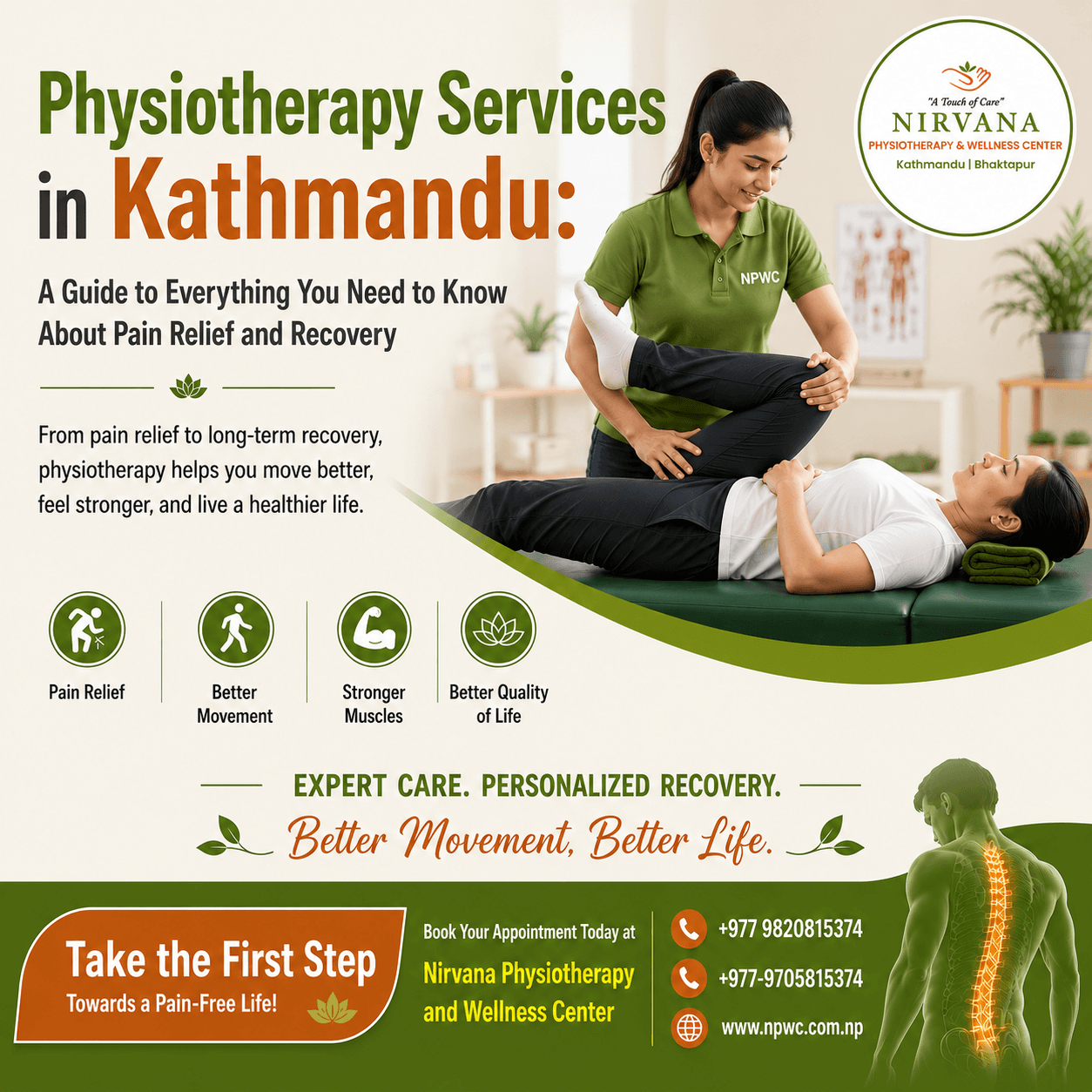
Life with pain is tiresome. It may be a backache due to working too late, a sport-related injury, joint stiffness, or frequent muscle pain, but the pain gradually affects your quality of life. Most of the individuals postpone therapy until they are sure that it will clear on its own, whereas others use drugs as a temporary measure.
Read article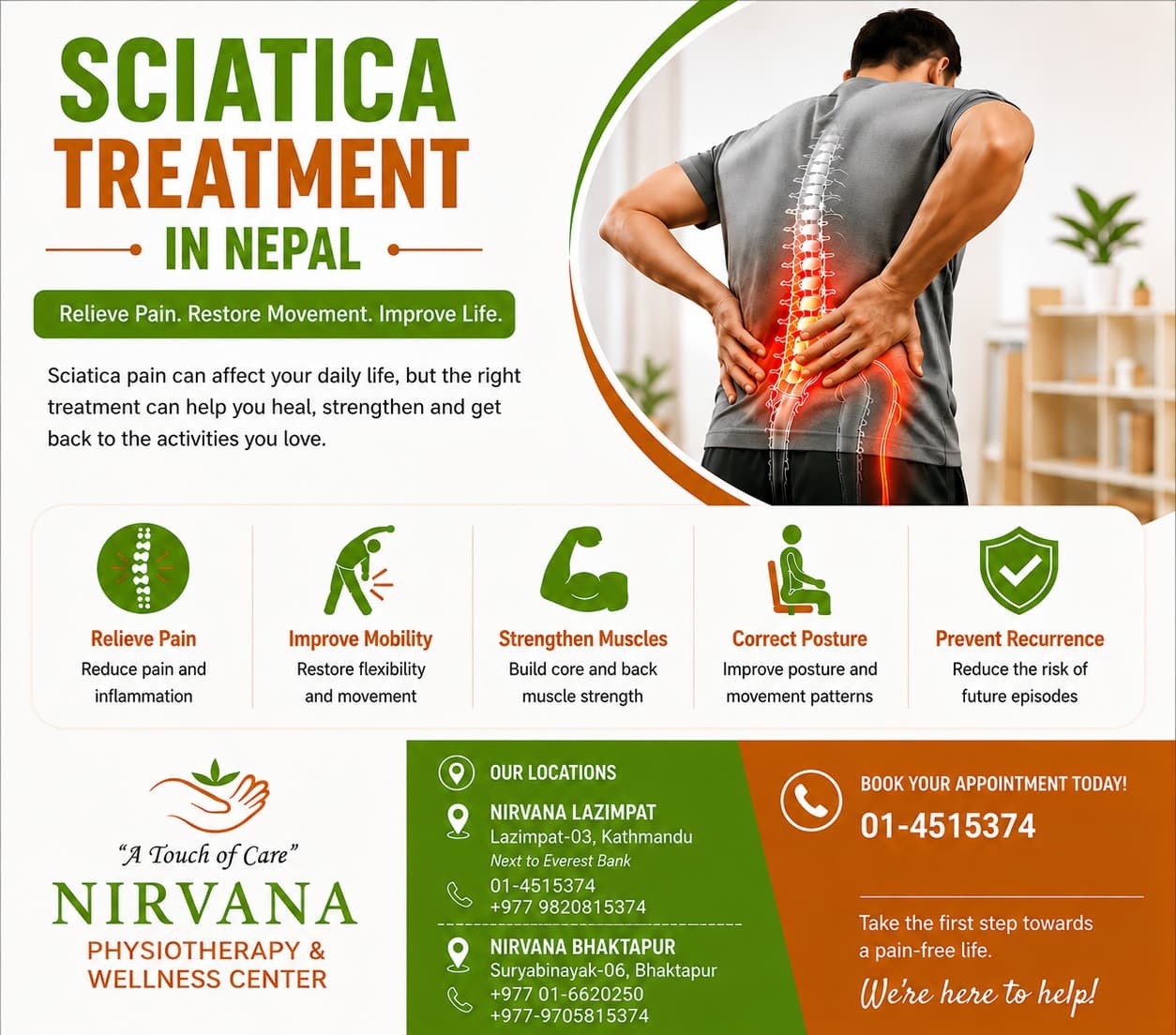
The symptoms of Sciatica can make sitting, walking, working or sleeping comfortably difficult and can severely interfere with your activities of daily living. Fortunately, the majority of people can recover without surgery, with proper diagnosis and treatment.
Read article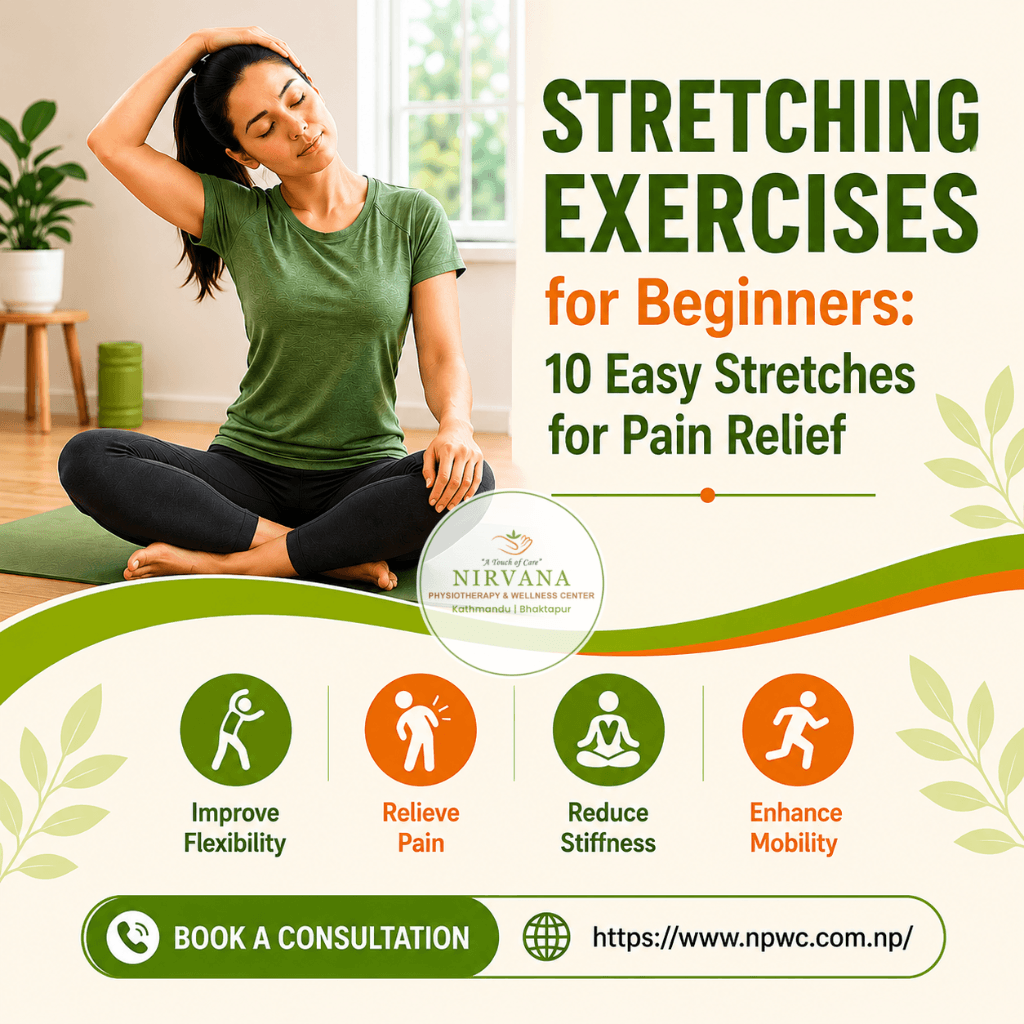
Stretching can help you achieve your fitness goals, whether you are just getting started, recovering from an injury, or simply want to enhance your mobility. Stretching can help alleviate muscle tension, increase blood flow, promote better posture, and decrease the likelihood of injuries.
Read article