Explore Our
Discover the latest insights and tips on physiotherapy, wellness, and health.
Discover the latest insights and tips on physiotherapy, wellness, and health.
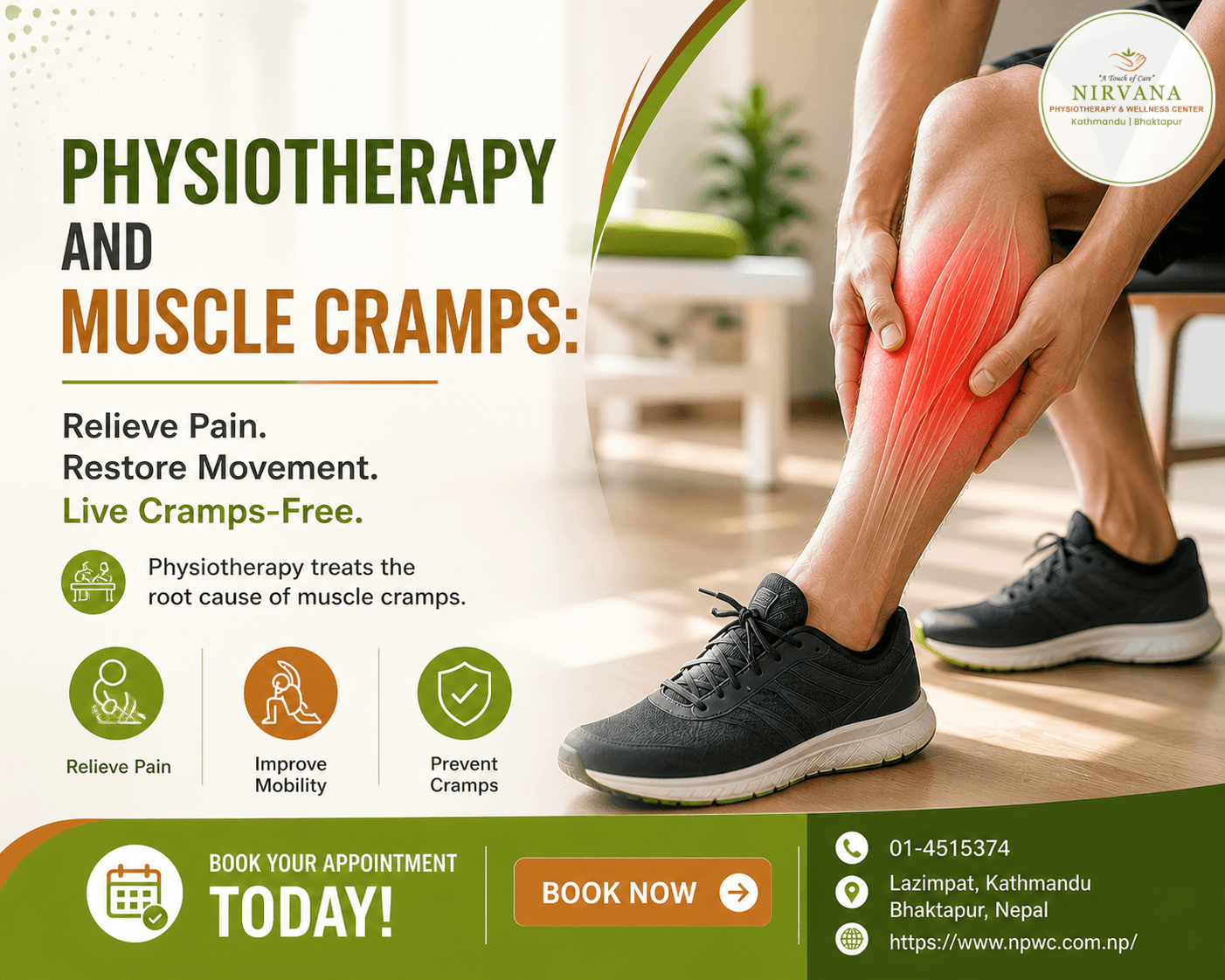
Muscle cramps are sharp, painful contractions that can affect anyone, including athletes and office workers. In Nepal, increasing sedentary lifestyles and poor posture have made this problem more common than ever.
Most people rely on quick solutions like random stretching or painkillers. While these may provide short-term relief, they don’t address the real issue. Physiotherapy focuses on correcting the underlying cause, making it a more effective long-term solution.
Muscle cramps occur when a muscle contracts involuntarily and fails to relax. This creates a tight, painful sensation that can last for seconds or even minutes.
They most commonly affect:
Although cramps may feel random, they are usually linked to underlying issues in muscle function or daily habits.
Cramps rarely happen without a reason. In most cases, they develop due to a combination of physical strain and lifestyle factors.
Some common causes include:
Understanding the cause is important because treatment depends on what is actually triggering the cramps.
Occasional cramps are normal, but frequent ones are often a warning sign. Ignoring them can lead to more serious issues over time.
Recurring cramps may indicate:
If left untreated, they can lead to ongoing pain and reduced mobility.
Physiotherapy takes a structured approach by focusing on the root cause rather than just relieving pain. A physiotherapist evaluates your posture, movement, and muscle condition before creating a treatment plan.
Tight muscles are a major trigger for cramps. Controlled stretching helps relax muscles and improve flexibility.
This helps to:
Muscle imbalance is a key cause of cramps. Weak muscles force others to overwork, leading to fatigue and cramping.
Strength training helps to:
Hands-on techniques are used to release tension and improve circulation in affected areas.
Common methods include:
Modern physiotherapy uses equipment to support recovery and reduce discomfort.
Common options include:
Poor posture is a major hidden cause of muscle cramps, especially for people who sit for long hours.
Physiotherapy helps by:
For severe or chronic cramps, dry needling targets trigger points within the muscle.
It helps to:
Physiotherapy focuses on long-term improvement rather than temporary relief.
Key benefits include:
It is important to recognize when muscle cramps need professional attention. While occasional cramps are normal, recurring or persistent symptoms often indicate an underlying issue that should not be ignored.
You should consider visiting a physiotherapist if:
If you are experiencing any of these signs, it’s better to address the problem early rather than letting it worsen over time. A proper assessment can help identify the exact cause and prevent recurring discomfort.
For personalized care and long-term relief, you can visit Nirvana Physiotherapy & Wellness Center and get a treatment plan tailored to your condition.
Physiotherapy services in Nepal now offer modern treatment with personalised care.
A typical process includes:
Exercise plays an important role in prevention when done consistently.
Recommended exercises include:
Daily habits strongly affect muscle health.
Some simple tips:
Muscle cramps may seem minor, but frequent episodes can affect your daily life. Addressing them early helps prevent long-term problems.
Physiotherapy provides a safe and effective approach by focusing on the root cause. With the right treatment and habits, recurring muscle cramps can be reduced or even prevented.
If you’re dealing with ongoing discomfort or repeated cramps, getting the right guidance can make a real difference. Visit Nirvana Physiotherapy & Wellness Center for a personalised assessment and start your recovery with expert care.
The most common causes include dehydration, muscle fatigue, and poor circulation.
By addressing the root cause, it can significantly reduce or eliminate recurring cramps.
Most cases improve within 4–8 sessions, depending on severity.
Occasional cramps are normal, but frequent ones may indicate underlying issues.
Yes, it provides long-term relief without relying on temporary solutions.
Written by
Nirvana Physiotherapy and Wellness Center
Nirvana Physiotherapy and Wellness Center
Continue Reading
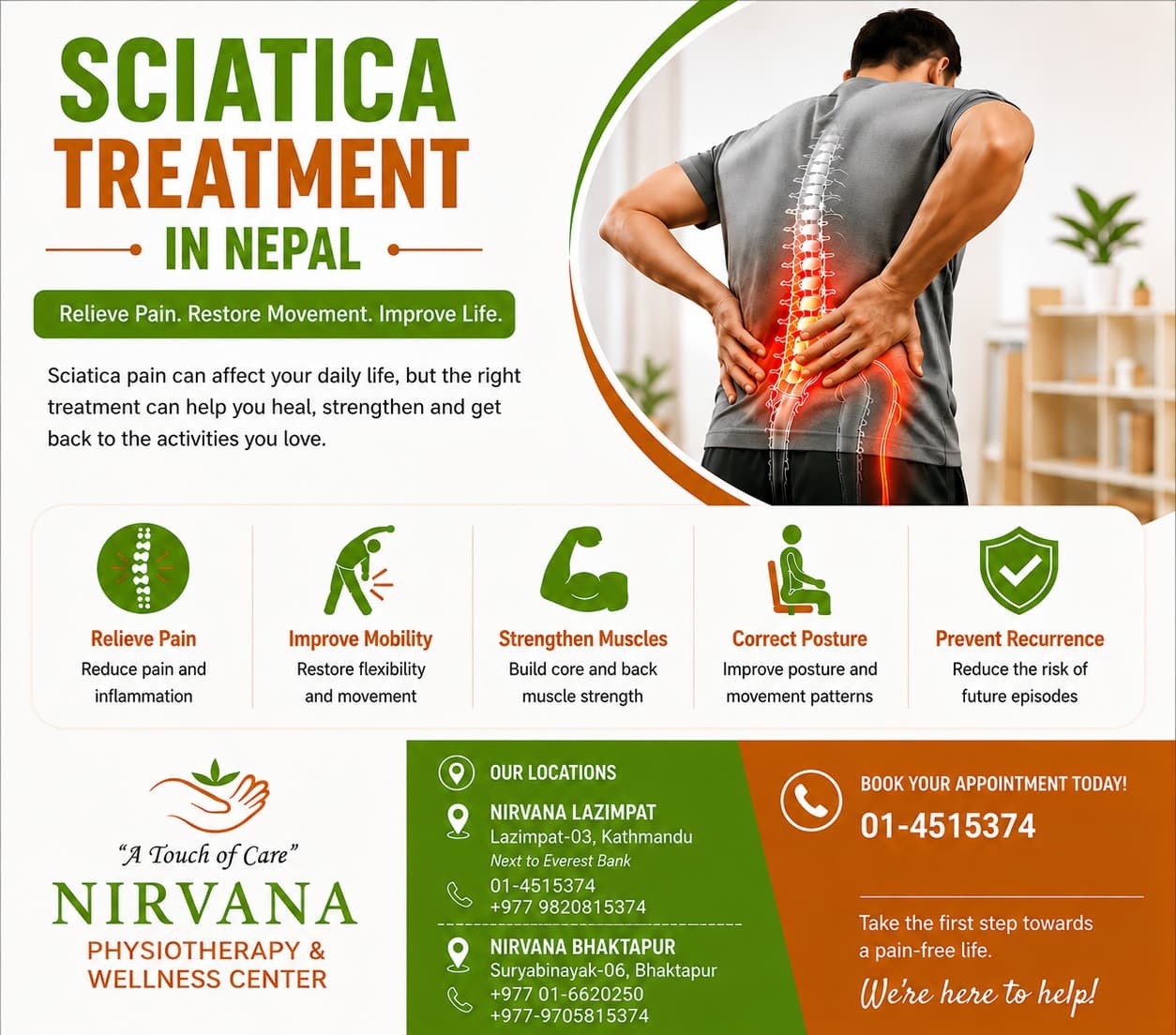
The symptoms of Sciatica can make sitting, walking, working or sleeping comfortably difficult and can severely interfere with your activities of daily living. Fortunately, the majority of people can recover without surgery, with proper diagnosis and treatment.
Read article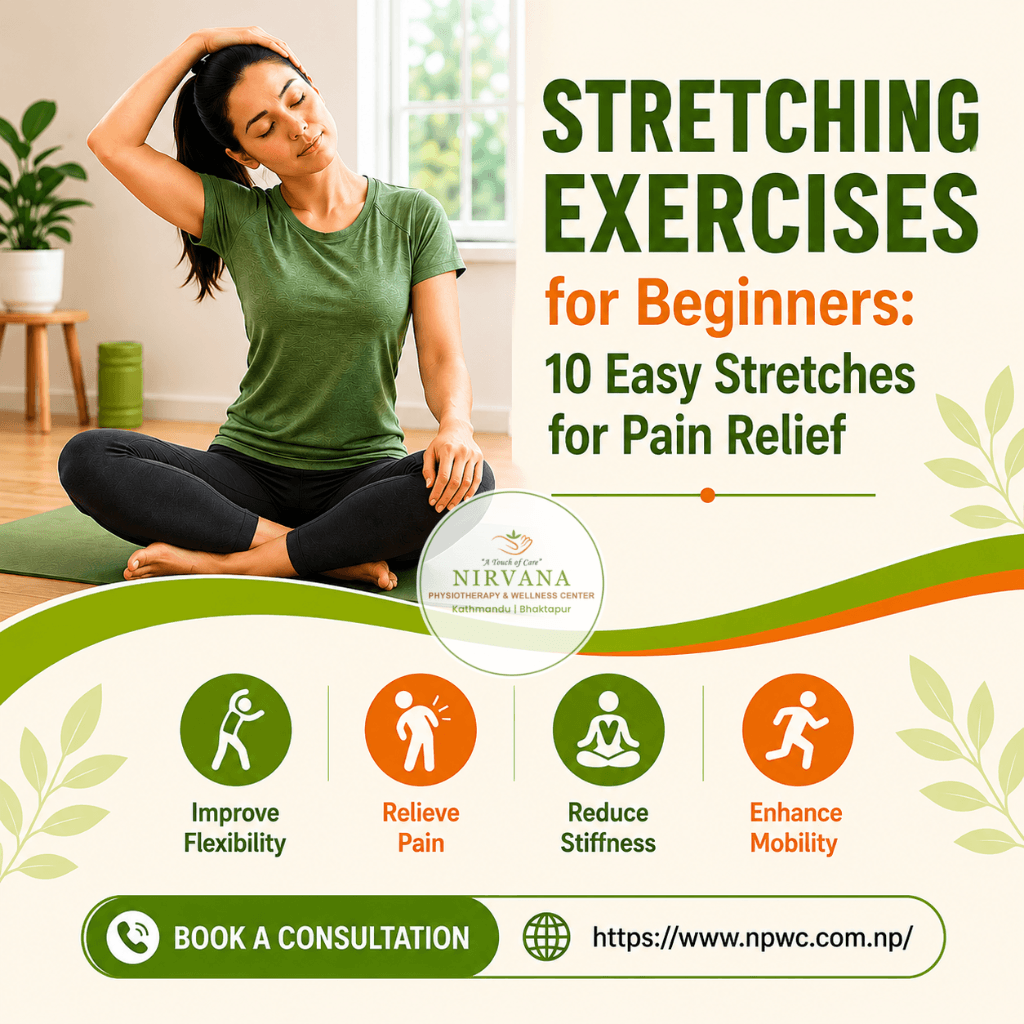
Stretching can help you achieve your fitness goals, whether you are just getting started, recovering from an injury, or simply want to enhance your mobility. Stretching can help alleviate muscle tension, increase blood flow, promote better posture, and decrease the likelihood of injuries.
Read article
Recovering after childbirth can be physically challenging for many mothers. Postpartum body pain, including back pain, pelvic discomfort, neck stiffness, and muscle weakness, is common due to hormonal changes, spinal stress, and physical strain after delivery. This blog explains the common causes of post pregnancy body pain and how physiotherapy can support safe and effective recovery.
Read article