Explore Our
Discover the latest insights and tips on physiotherapy, wellness, and health.
Discover the latest insights and tips on physiotherapy, wellness, and health.
Quick answers about physiotherapy, appointments, and our services at Nirvana Physiotherapy & Wellness Center.
Still have questions? Contact us or book an appointment.
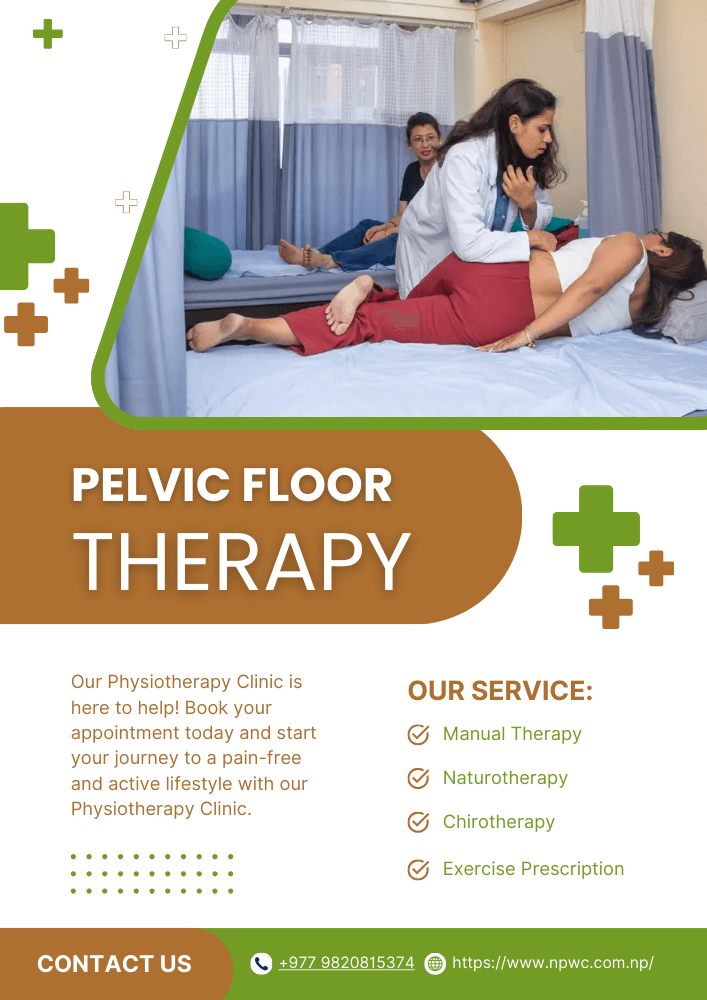
Pelvic health is one of the most important parts of overall well-being, yet it is often ignored or misunderstood. Many people live with symptoms like bladder leakage, pelvic discomfort, lower back pain, weak core muscles, or pressure in the pelvic area without realising these issues may be connected to pelvic floor dysfunction.
In Nepal, awareness about pelvic floor physiotherapy is still growing, but more people are now seeking treatment for urinary incontinence, postnatal recovery, pelvic pain, and chronic lower back problems. Early physiotherapy and lifestyle changes can greatly improve daily comfort, movement, and confidence.
At Nirvana Physiotherapy & Wellness Center, pelvic floor rehabilitation is provided through a personalized, private, and holistic approach focused on restoring strength, stability, and long-term pelvic health.
The pelvic floor is a group of muscles located at the base of the pelvis. These muscles support important organs such as:
The pelvic floor also works closely with the abdominal and lower back muscles to maintain:
When these muscles become weak, tight, or poorly coordinated, it can affect everyday activities and overall quality of life.
Many people ignore pelvic floor symptoms because they feel embarrassed or think the problem is normal after childbirth or aging. However, these symptoms should not be overlooked.
Early pelvic floor physiotherapy can help prevent symptoms from becoming chronic and improve long-term recovery.
Pelvic floor physiotherapy is a specialised form of rehabilitation that focuses on improving the strength, relaxation, coordination, and function of pelvic floor muscles.
It is much more than basic home exercises. A trained physiotherapist evaluates:
Treatment plans are then customised according to the individual’s symptoms, goals, and daily activities.
This type of physiotherapy is now becoming increasingly searched in Nepal due to growing awareness about women’s health, postnatal care, urinary incontinence treatment, and chronic pelvic pain management.
Pregnancy and childbirth place significant stress on pelvic floor muscles. Hormonal changes and physical strain can weaken the pelvic region and affect daily movement.
Pelvic floor physiotherapy helps mothers safely recover strength, improve stability, and regain confidence after delivery.
Pelvic floor problems are not limited to women. Men can also experience:
Physiotherapy helps restore muscle balance and improve overall movement function.
As people age, muscle strength and coordination naturally decrease. Pelvic floor therapy can help older adults improve:
Athletes rely heavily on core strength and pelvic stability for movement and performance.
Pelvic floor dysfunction can contribute to:
Pelvic rehabilitation helps improve stability and reduce injury risk.
Treatment begins with a detailed physiotherapy evaluation to understand:
Exercises and rehabilitation plans are then personalised for safe and effective recovery.
Hands-on manual therapy techniques help:
Rehabilitation therapy is especially beneficial for:
The goal is gradual recovery and long-term functional improvement.
Nirvana Physiotherapy And Wellness Center also integrates holistic wellness therapies to support complete recovery.
Osteopathy helps improve:
Gentle osteopathic treatment can reduce restrictions affecting pelvic floor function.
Acupuncture may help:
If you want to know more about acupuncture, then this blog would be helpful
Lifestyle factors such as nutrition, stress, hydration, and sleep also affect pelvic health.
Naturopathy supports natural healing by improving overall body balance and recovery.
Small lifestyle habits can make a major difference in pelvic floor health.
Combining physiotherapy with healthy habits often improves recovery outcomes significantly.
Pelvic floor physiotherapy sessions at Nirvana Physiotherapy And Wellness Center are conducted respectfully and privately.
During the first appointment, patients receive:
The treatment process is always adjusted according to comfort level and individual needs.
Pelvic floor problems are more common than many people realise, and they should never be ignored. Symptoms like bladder leakage, pelvic discomfort, weak core muscles, or chronic lower back pain can often improve significantly with the right physiotherapy care.
Pelvic floor physiotherapy is a safe, evidence-based, and natural treatment approach that helps restore movement, improve confidence, and support long-term wellness.
Consulting the best physiotherapist in Nepal early can improve recovery speed and prevent symptoms from affecting daily life in the future.
No. Pelvic floor physiotherapy benefits both men and women of different age groups.
Yes. Pelvic floor muscles are closely connected with core stability and spinal support, which can contribute to lower back pain.
Recovery varies depending on symptoms and treatment consistency, but many people notice improvement within a few weeks.
Treatment is usually gentle and customised according to the patient’s comfort level.
Yes. Postnatal pelvic floor rehabilitation is one of the most effective ways to restore strength, improve bladder control, and support recovery after pregnancy.
Written by
Nirvana Physiotherapy & Wellness Center.
Nirvana Physiotherapy and Wellness Center
Continue Reading
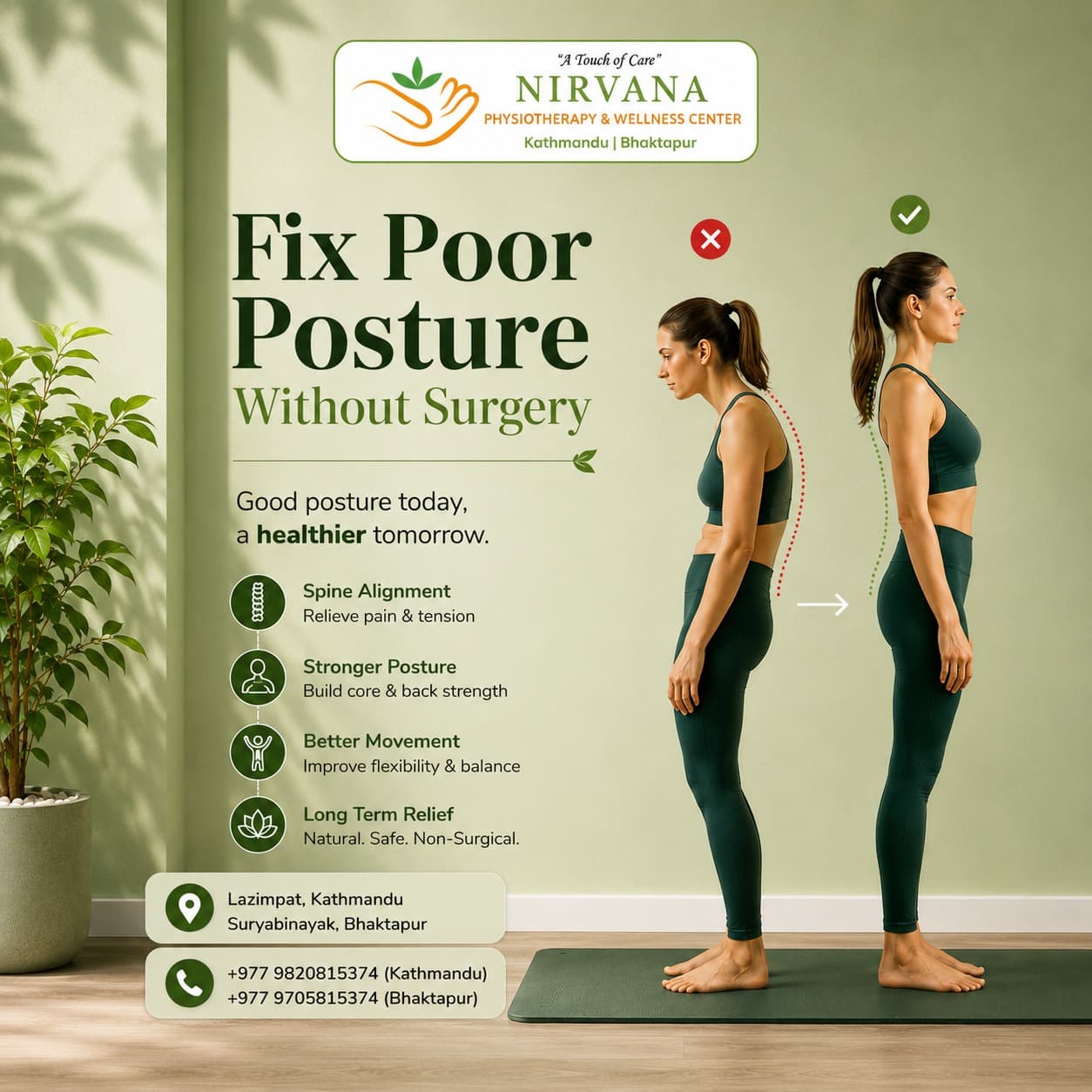
Poor posture has become increasingly common due to sedentary lifestyles, desk jobs, and excessive smartphone use. While many people ignore it as a minor issue, poor posture can eventually lead to chronic pain, reduced mobility, headaches, fatigue, and even spinal problems.
Read article
Knee pain is one of the most common musculoskeletal problems affecting people of all ages. Whether you're a working professional spending long hours at a desk, an athlete recovering from a sports injury, or an older adult experiencing age-related joint discomfort, knee pain can significantly impact your daily life.
Read article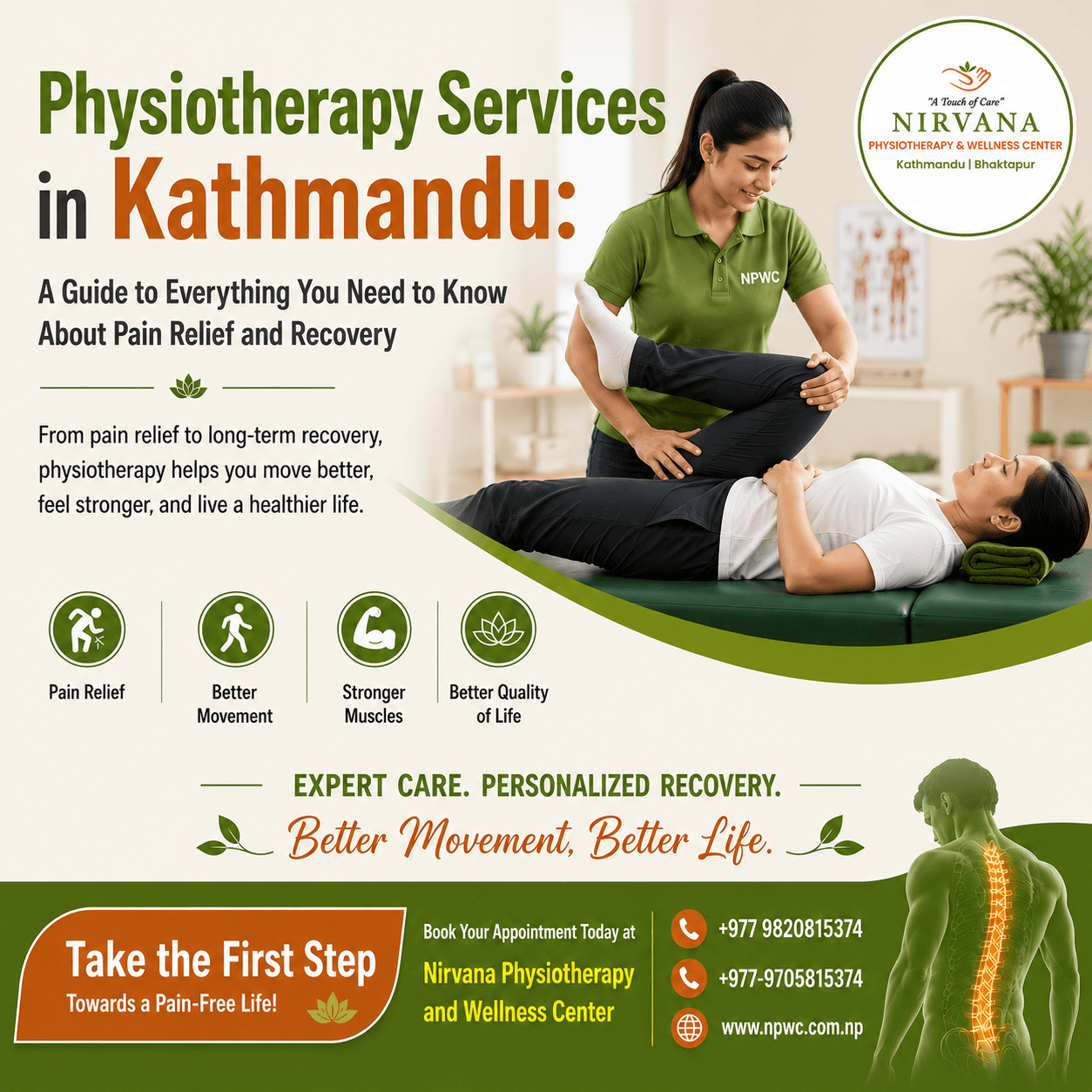
Life with pain is tiresome. It may be a backache due to working too late, a sport-related injury, joint stiffness, or frequent muscle pain, but the pain gradually affects your quality of life. Most of the individuals postpone therapy until they are sure that it will clear on its own, whereas others use drugs as a temporary measure.
Read article