
Explore Our
Discover the latest insights and tips on physiotherapy, wellness, and health.
Discover the latest insights and tips on physiotherapy, wellness, and health.
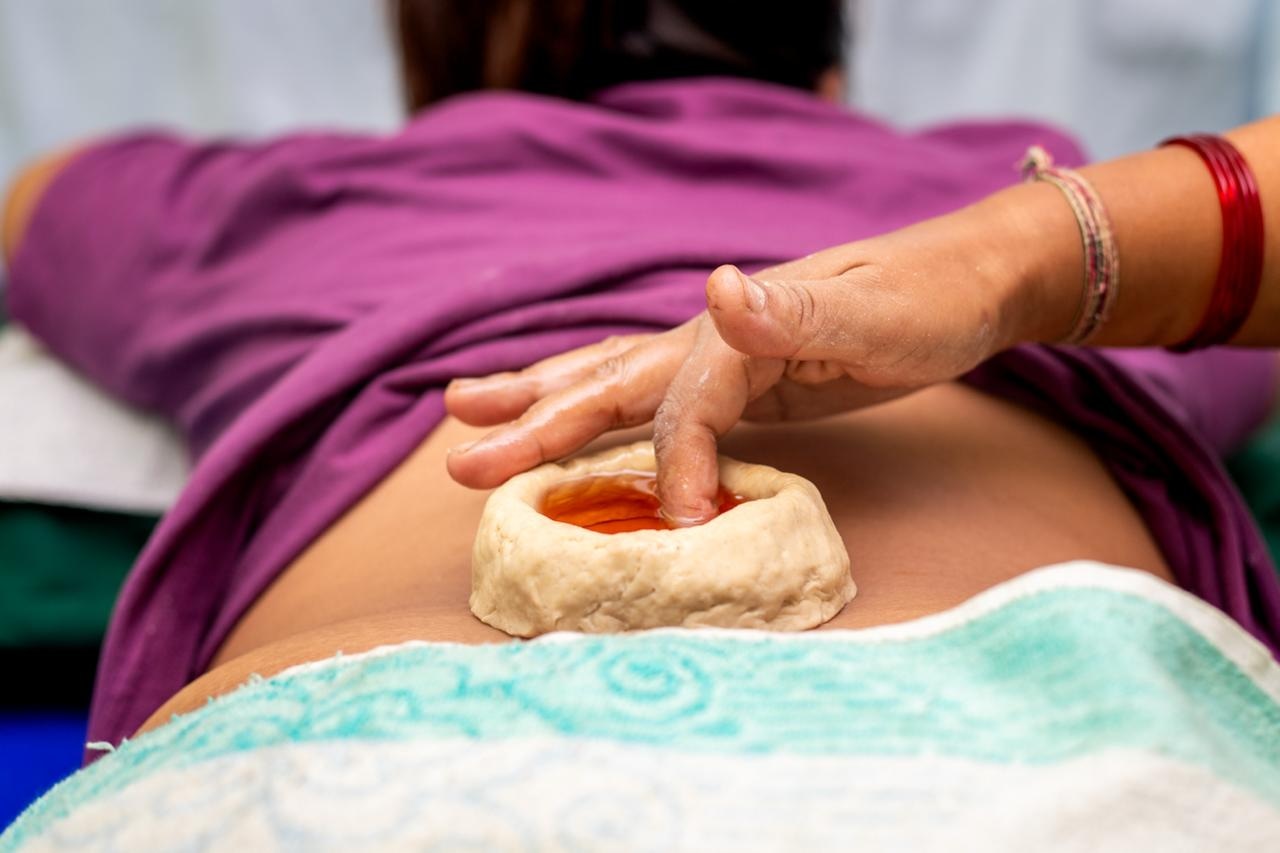
When it comes to healthcare, most people nowadays depend closely on present medicinal drugs. While it is surely useful in emergencies and essential remedies, modern medicine frequently focuses most effectively on signs in place of the basis cause.
This is where Ayurvedic Therapy stands out. Ayurveda, a 5,000-year-old healing science from India, gives a holistic technique that not only treats diseases but also helps humans live healthier, more balanced lives
.
In this blog, we’ll explore Ayurvedic Therapy vs Modern Medicine, their roles in daily life, and why combining both approaches may give you the best of both worlds.
Ayurveda is a Branch of medicine that has stood out as one of the best medicinal practices worldwide. Originating in India, Ayurveda is a comprehensive medical practice that helps treat and cure various ailments and diseases.
It involves the usage of herbal medicines, practicing yoga and meditation, and prescribing special diets. Ayurveda holds great value in our daily modern lives in various ways, thus holding a great range of importance. Explore the importance of Ayurveda in daily life.
Modern medicine represents the dominant healthcare system worldwide, often referred to by its two alternative names, allopathic or conventional medicine. The system is continually developed through current scientific research alongside evidence-based medical methods.
Modern medicine operates through two main methods, which include the testing and treatment of diseases using pharmaceutical substances and surgical procedures, as well as technological aspects.
Modern medical professionals establish their diagnostic statements through laboratory investigations in combination with imaging equipment and physical examinations.
Medical treatments occur rapidly and precisely since healthcare providers conduct symptom management and identify disease origins to establish proper intervention.
Ayurveda holds great value in our daily modern lives in various ways, thus holding a great range of importance. Explore the importance of Ayurveda in daily life.
Ayurveda teaches us that good health is not just about being free from disease, but about feeling energetic, positive, and balanced every day. Good health means more than just being disease-free. Ayurveda teaches that a truly healthy person feels energetic, peaceful, and in harmony every day.
Instead of waiting to get sick, Ayurveda focuses on boosting immunity daily with herbs such as turmeric, ginger, and Tulsi (also known as holy basil). This prevents diseases before they occur.
Ayurveda gives importance to quality sleep. Oil massage (Abhyanga), Shirodhara, and nighttime rest practices assist us in sleeping more deeply and recharge the body.
Ayurveda says, “You are what you digest, not just what you eat.” Eating seasonal, fresh, and balanced food according to your body type (Vata, Pitta, Kapha) keeps your digestion strong and prevents illness.
Stress and anxiety are part of modern life. Ayurveda integrates meditation, breathing practices, and herbal teas that naturally calm the mind and improve focus. With rising stress and anxiety in modern lifestyles, Ayurveda provides natural ways to calm the mind through Pranayama (breathing exercises), yoga, and calming teas like Brahmi or chamomile.
Ayurveda encourages simple habits including waking up early, consuming hot water tongue cleansing, yoga, and meditation. These small exexercises helpeepies sparkling and our minds calm. Dinacharya is a comprehensive Ayurvedic daily habit targeted at aligning with natural rhythms to promote inner balance, fitness, and awareness.
Ayurveda says, “You are what you digest, not just what you eat.” Eating seasonal, fresh, and balanced food according to your body type (Vata, Pitta, Kapha) keeps your digestion strong and prevents illness.
The selection between Ayurvedic and modern medical practices will lead to substantial changes in a person's lifestyle. The comprehensive system of Ayurvedic medicine enables comprehensive health management for persistent issues, digestive problems, skin treatments, and anxiety support, and it is effective in treating lifestyle diseases.
Ayurvedic principles identify bodily equilibrium as both a means of disease prevention and strengthening resistance because the establishment of wellness represents the core goal of Ayurveda.
Modern medical practices yield their best results in emergency cases, as well as when treating infections through procedures such as surgeries and managing critical medical emergencies.
Modern medical technology can rapidly save lives during situations of trauma, heart attacks, and serious infections. A precise medical diagnosis, along with suitable treatments, can be achieved effectively through this approach when treating cancer or organ failure.
The need to choose between Ayurvedic medicine and modern treatment approaches exists as separate options, but not as opposing alternatives. Shadanga combines scientific evidence with traditional Ayurvedic wisdom to deliver evidence-based, holistic treatment for the sustained healing of patients.
Shadanga's individualized wellness approach helps people achieve long-lasting wellness through their method for both long-term equilibrium and sudden therapy needs. Live a healthy life by combining both old and modern medical perspectives.
Not necessarily. Ayurveda works high - quality for prevention, way life sicknesses, and holistic recuperationeven as current medicine is more effective for emergencies and advanced remedies.
Ayurveda is gradual but long-lasting. Depending on your condition, it may take weeks or months, but the results focus on restoring balance, not just symptom relief.
Yes! Many human beings combine with each other or face higher consequences. For instance, the usage of Ayurveda for immunity and digestion at the same time relies on present-day medicine for emergencies.
When prescribed by qualified professionals, Ayurvedic medicines are generally safe. However, self-medication without guidance can sometimes cause imbalances.
Ayurveda can be greater low priced ultimately since it focuses on prevention and way of life modifications, while modern medicine may be expensive due to hospitalizations and advanced treatments.
Yes, Ayurvedic therapies combined with dietary and lifestyle modifications can help manage chronic conditions naturally, reduce complications, and improve quality of life.
Written by
Nirvana Physiotherapy and Wellness Center
Nirvana Physiotherapy and Wellness Center
Continue Reading
Knee pain is one of the most common musculoskeletal problems affecting people of all ages. Whether you're a working professional spending long hours at a desk, an athlete recovering from a sports injury, or an older adult experiencing age-related joint discomfort, knee pain can significantly impact your daily life.
Read article
Life with pain is tiresome. It may be a backache due to working too late, a sport-related injury, joint stiffness, or frequent muscle pain, but the pain gradually affects your quality of life. Most of the individuals postpone therapy until they are sure that it will clear on its own, whereas others use drugs as a temporary measure.
Read article
The symptoms of Sciatica can make sitting, walking, working or sleeping comfortably difficult and can severely interfere with your activities of daily living. Fortunately, the majority of people can recover without surgery, with proper diagnosis and treatment.
Read article