
Explore Our
Discover the latest insights and tips on physiotherapy, wellness, and health.
Discover the latest insights and tips on physiotherapy, wellness, and health.
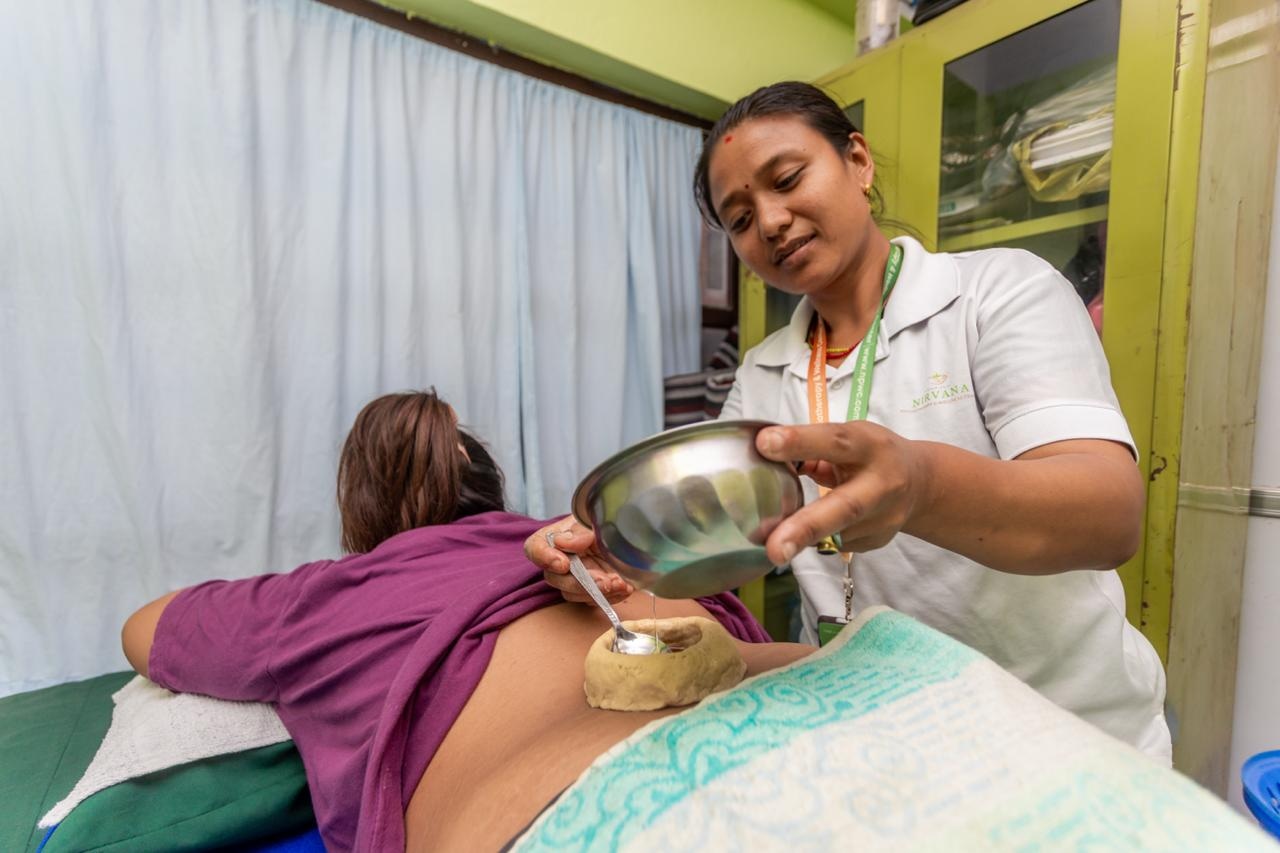
Most of us know at least one woman in our family who struggles with back pain, whether it’s due to a slipped disc, sciatica, hormonal changes, or pregnancy. Studies show that women are more likely to suffer from chronic back pain conditions, some exclusively affect only women.
Lower back pain in women can happen for many reasons. During pregnancy and childbirth, the pelvic muscles undergo a lot of changes. Hormonal changes throughout the reproductive years, and after menopause, also affect the back.
On top of that, daily routines like repeated movements and poor posture can put stress on the back. Over time, this stress can lead to continuous pain and even muscle injury.
Back pain is a common issue for many women, often caused by hormonal changes, pregnancy, menopause, or weaker bones. These factors make women more likely to face certain types of back pain. Such conditions can make daily life harder by affecting movement, regular activities, and overall comfort.
Below are eight common back pain problems found in women and how they can make everyday tasks more difficult.
Coccydynia, or pain in the tailbone at the end of the spine, is four times more common in women than men. The area of pain often feels tender when touched, and it can be painful. It can be caused by accidents, falls, pregnancy-related injury, or poor posture. This lower back pain causes females to affect daily activities like sitting, driving, and household chores.
A special hormone is released that helps loosen muscles and joints around the pelvis. When the child grows, it is important to prepare the body. But it also changes the balance of the body and puts pressure on the spine, causing back pain, low back pain, or even sciatica. In post-pregnancy stages, lower back pain is very common.
For many women, pain decreases after delivery. However, some people continue to feel back pain for weeks or months after giving birth. This is because the muscles around the spine weaken and cannot support the back properly. In addition, pelvic joint hormones can sometimes make them very flexible, causing back pain.
After menopause, women often lose bone strength more rapidly due to low mineral content in bones. This condition is called osteoporosis. It makes bones weak and makes them more likely to break. One of the most common problems is a compression fracture in the spine.
Many women cannot notice it at first, but a sudden loss of height can show signs. In some cases, pressure on nearby tissues causes strong back pain that can affect daily life.
As women get older, especially after 45, couples in the spine can begin to wear. The cartilage that cushions bones becomes thin, and the disk between the bones loses water and shrinks in height.
These age-related changes reduce the flexibility of the spine and increase back pain. This condition is known as spinal osteoarthritis and is a common cause of discomfort in women as they are with age.
Pyriformis syndrome is more common in women, often due to changes in hormones and body changes. In this case, the piriformis muscle becomes tight or swollen, which puts pressure on the sciatic nerve.
This can cause severe pain that extends down the leg, making everyday actions and is quite uncomfortable.
Fibromyalgia is a condition that causes pain throughout the body. It may begin after surgery, an injury, a disease, or even emotional stress. In some cases, the pain begins slowly without any clear reason.
With body pain, women may also feel tired, experience headaches, have jaw pain (TMJ), or suffer from anxiety and depression.
After the age of 50, many women are at risk of developing a condition called degenerative spondylolisthesis. In this condition, one bone in the spine slips forward over the one below it. Sometimes, this happens along with a small crack in the spinal joint. The slipping creates pressure on nearby areas and can lead to severe back pain. If a nerve gets pressed, it can also cause pain that spreads down the leg.
During menopause, women experience lower estrogen levels, which can lead to a drop in vitamin D. This may cause pain in different areas, especially around the tailbone. Research shows that tailbone pain is often linked to the perimenopause and postmenopause phases. A lack of vitamin D can make this pain worse.
Tailbone pain may appear suddenly or develop slowly, often after a fall, childbirth, or direct pressure on the lower spine. Since the tailbone is not very flexible, it can easily get hurt. This pain usually improves in a few weeks or months, but for some women, it becomes long-term and makes everyday activities like sitting, driving, or bending very uncomfortable.
Back pain in women can begin at any age, even from adolescence. The reasons often change with life stages such as pregnancy, delivery, weight gain or loss, and hormone shifts. These changes can cause back pain in many women. With proper checkup and correct treatment - whether at home or through physiotherapy - relief is possible, and daily life can feel more comfortable again.
Physiotherapy can be very effective for reducing low back pain in women. Regular exercises that strengthen the core, such as the abdomen and lower back muscles, support the spine and reduce pressure on it.
Trained physiotherapists use gentle spinal movements and adjustments to improve posture, reduce stiffness, and correct spinal misalignments. Manual therapy and massage can relax muscles and reduce inflammation. Some clinics also use machines such as ultrasound or tens (a small electrical device) to reduce pain and make movement easier.
Maintaining a good posture and avoiding long hours of sitting can really help reduce lower back pain in women. Using a comfortable chair and a proper desk setup can help avoid putting too much pressure on your spine. Doing regular exercises like walking, swimming, or cycling keeps your back muscles strong and your spine flexible.
Eating a healthy diet with enough calcium, vitamin D, and magnesium supports strong bones and helps prevent bone-related back pain. Keeping your body weight in control is also important, as extra weight adds more stress to your back. Lastly, practicing relaxation techniques like deep breathing or meditation can help reduce stress, which often makes back pain worse.
If lower back pain in women doesn’t improve with home care or physiotherapy, it’s important to visit a doctor. An orthopedic or spine specialist can examine you properly and may suggest tests like X-rays, MRI, or CT scans to find the exact cause of your pain.
Based on the results, treatments like painkillers, muscle relaxants, or anti-inflammatory medicines may be recommended. For more serious pain, steroid injections might be used. If these methods don’t work, surgery, such as spinal fusion, laminectomy, or discectomy, could be needed for long-term relief.
At Nirvana Physiotherapy and Wellness Center, we understand that back pain in women requires special care based on the unique needs of each person. Our skilled team of physiotherapists and spine experts focuses on safe, effective, and personal remedies to help relieve pain and restore movement.
With modern physiotherapy clinics, we make treatment plans that target the root cause of your back pain, whether it is from pregnancy, menopause, poor posture, or chronic conditions. Our approach combines manual therapy, advanced physiotherapy techniques , and long-term relief and appropriate exercise programs to provide better spinal health.
At Nirvana Physiotherapy and Wellness Center, you get a comfortable and successful recovery journey designed for you.
Back pain in women may be due to hormonal changes, pregnancy, menopause, osteoporosis, poor posture, muscle stress, and specific conditions such as coccyx and fibromyalgia.
During pregnancy, the hormone loosens the pelvic joints and transfers the balance of the body to the growing baby, causing additional pressure on the spine, which often leads to back pain or sciatica.
Yes, menopause reduces estrogen levels and vitamin D, which can weaken bones and increase the risk of tailbone pain and other back issues.
Effective remedies include physiotherapy, core strengthening exercises, manual therapy, drugs, lifestyle changes, and in severe cases, surgery.
Women can be active with exercise such as walking or swimming by maintaining a good posture, eating a balanced diet rich in calcium and vitamin D, and managing stress.
If back pain persists for weeks despite home care or deteriorates with symptoms such as leg pain or numbness, women should consult a doctor or spinal specialist for diagnosis and treatment.
Coccydynia is pain in the tailbone region, and it is more common in women due to factors such as delivery, fall, and poor posture. This can cause discomfort during seating or driving.
Written by
Nirvana Physiotherapy and Wellness Center
Nirvana Physiotherapy and Wellness Center
Continue Reading
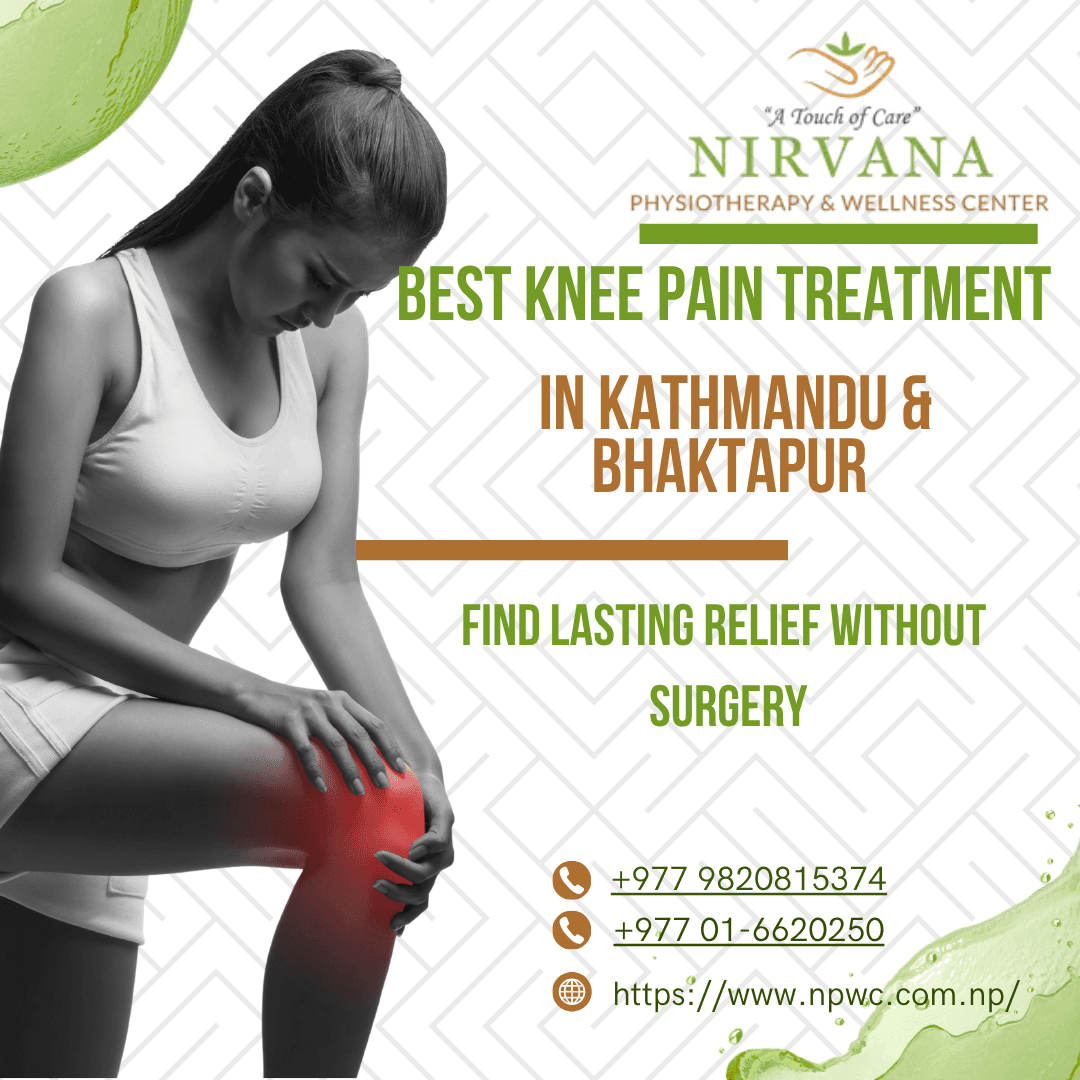
Knee pain is one of the most common musculoskeletal problems affecting people of all ages. Whether you're a working professional spending long hours at a desk, an athlete recovering from a sports injury, or an older adult experiencing age-related joint discomfort, knee pain can significantly impact your daily life.
Read article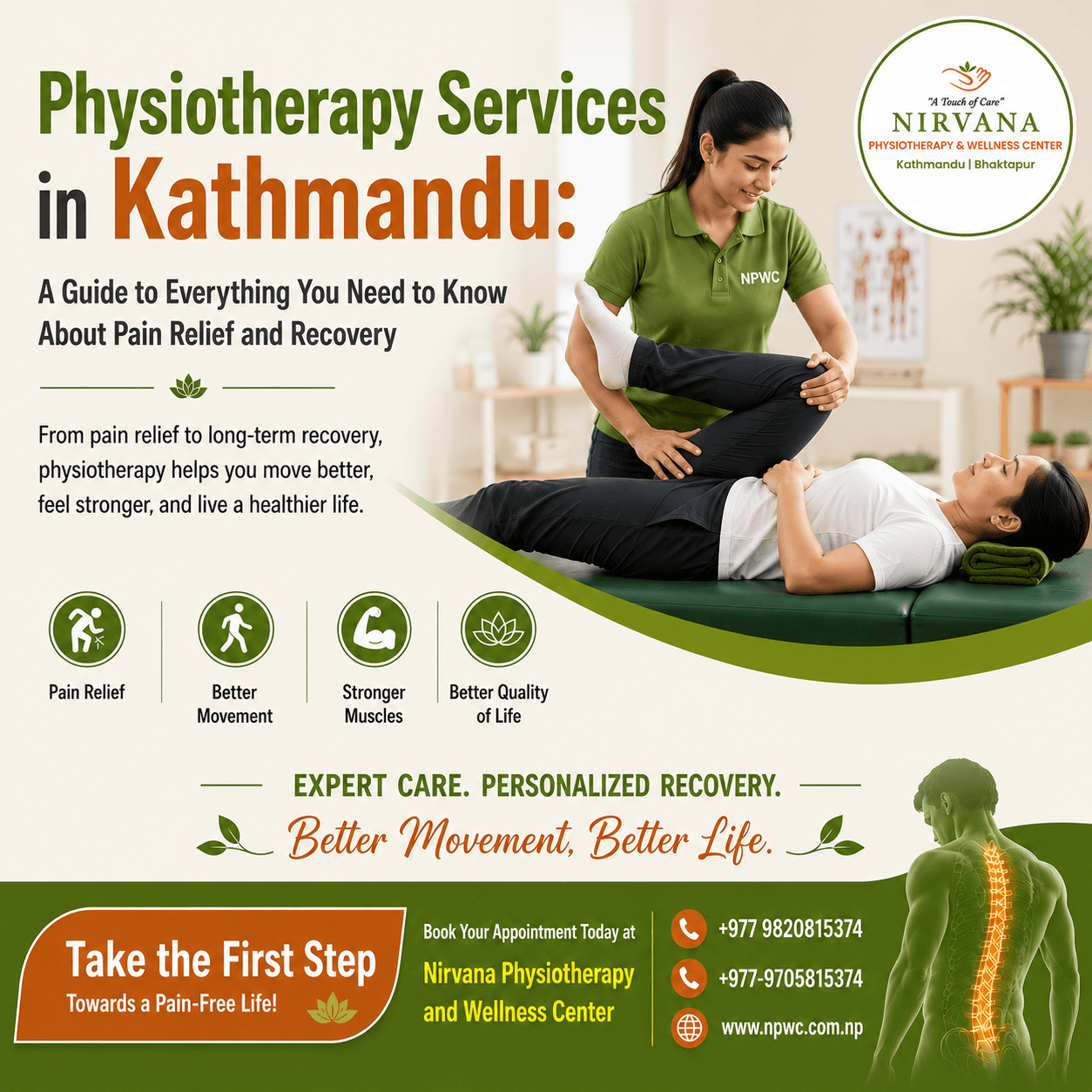
Life with pain is tiresome. It may be a backache due to working too late, a sport-related injury, joint stiffness, or frequent muscle pain, but the pain gradually affects your quality of life. Most of the individuals postpone therapy until they are sure that it will clear on its own, whereas others use drugs as a temporary measure.
Read article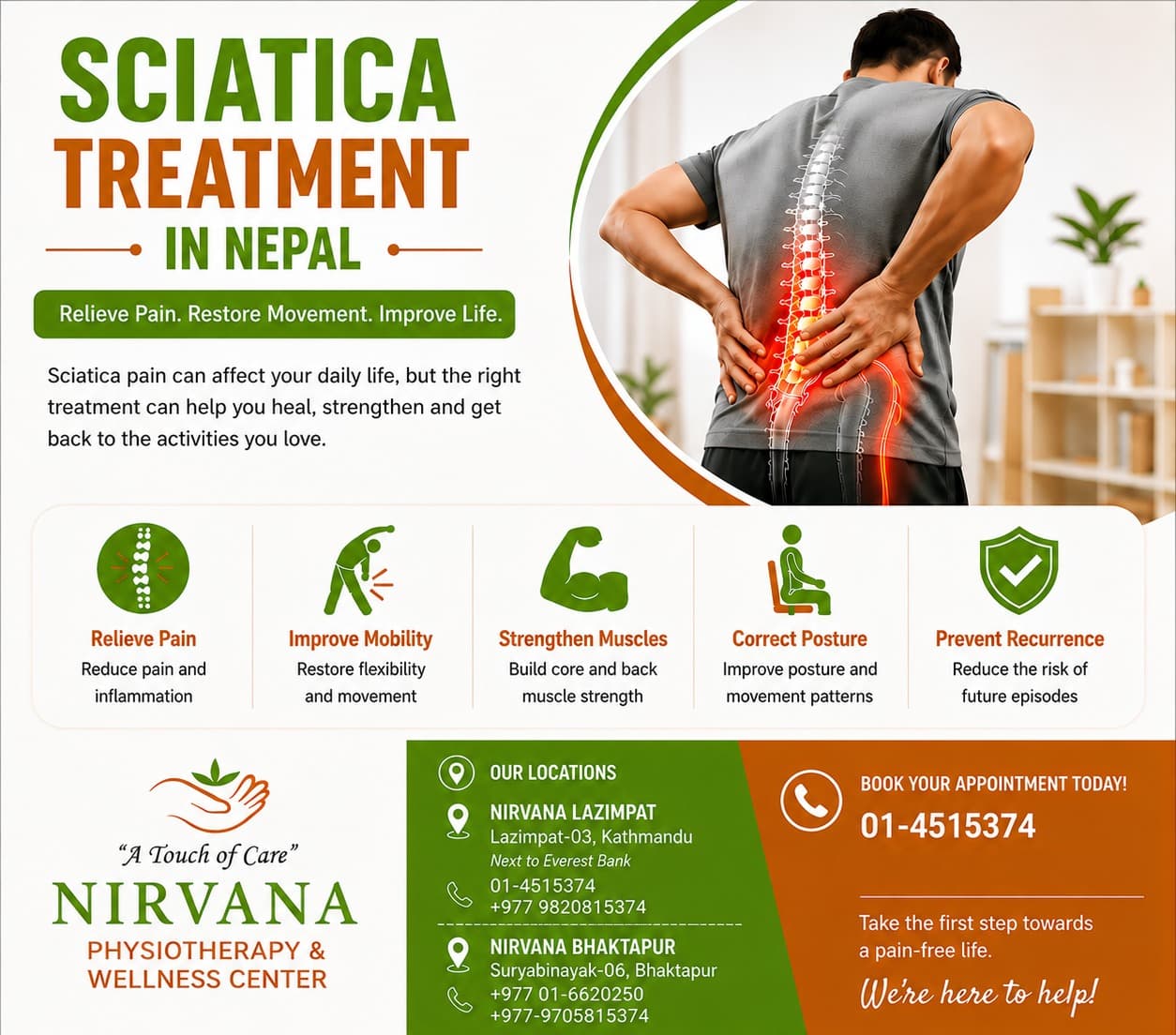
The symptoms of Sciatica can make sitting, walking, working or sleeping comfortably difficult and can severely interfere with your activities of daily living. Fortunately, the majority of people can recover without surgery, with proper diagnosis and treatment.
Read article